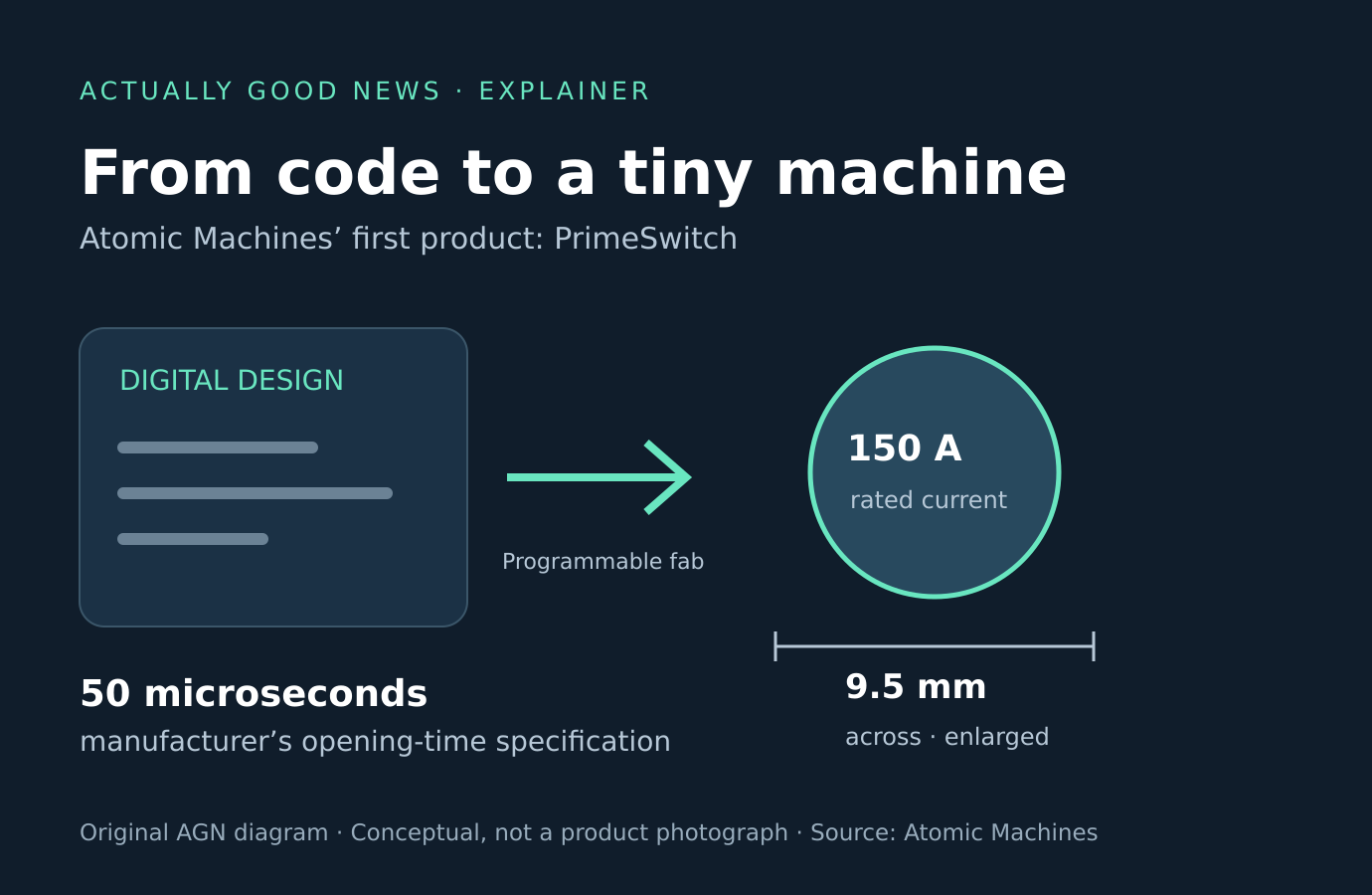
A Bay Area startup is sampling a tiny power switch made with a programmable manufacturing system. Its bigger ambition: turn software instructions into intricate physical machines.
A gift puts Rules’ historic London home and collection into the National Trust’s care. The restaurant, founded in 1798, keeps serving diners under its independent proprietor.
An operating solar farm at Christchurch Airport adds 150 megawatts of capacity. Its projected annual output matches roughly 36,000 homes’ electricity use, with customers already signed up.
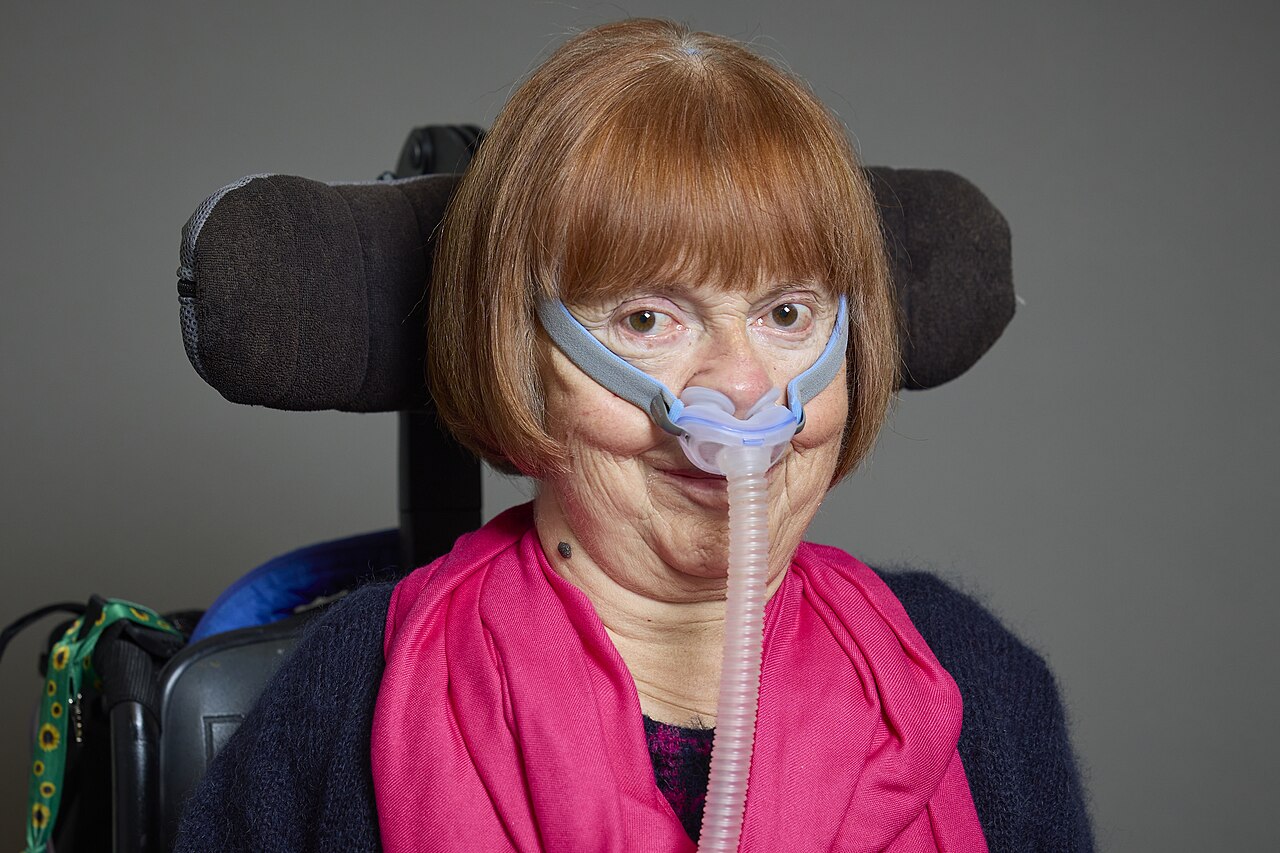
Baroness Campbell used an AI recreation of her voice to deliver her own speech in the House of Lords. The completed parliamentary first shows how assistive technology and an institution willing to adapt can make participation more personal.
ProofCouncil met First Proof’s correctness threshold on nine of ten research problems. The new expert-reviewed test also makes the errors, weak explanations and incomplete checks visible.
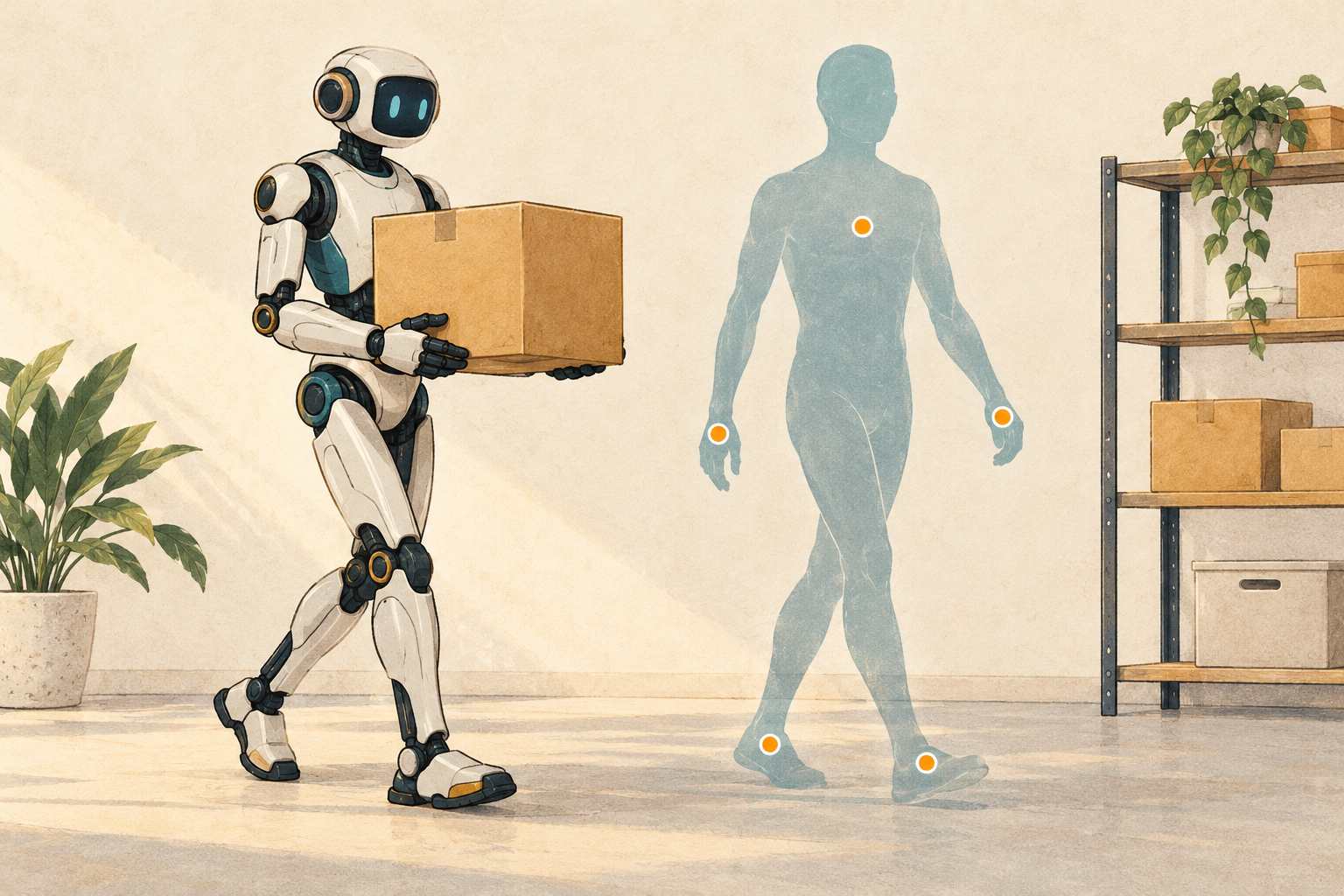
A phone from 2017 helped run UCLA’s small walking robot. The new PhoneBot prototype puts ordinary handset hardware to work in robotics, with four Android models tested and clear limits on what it can do so far.
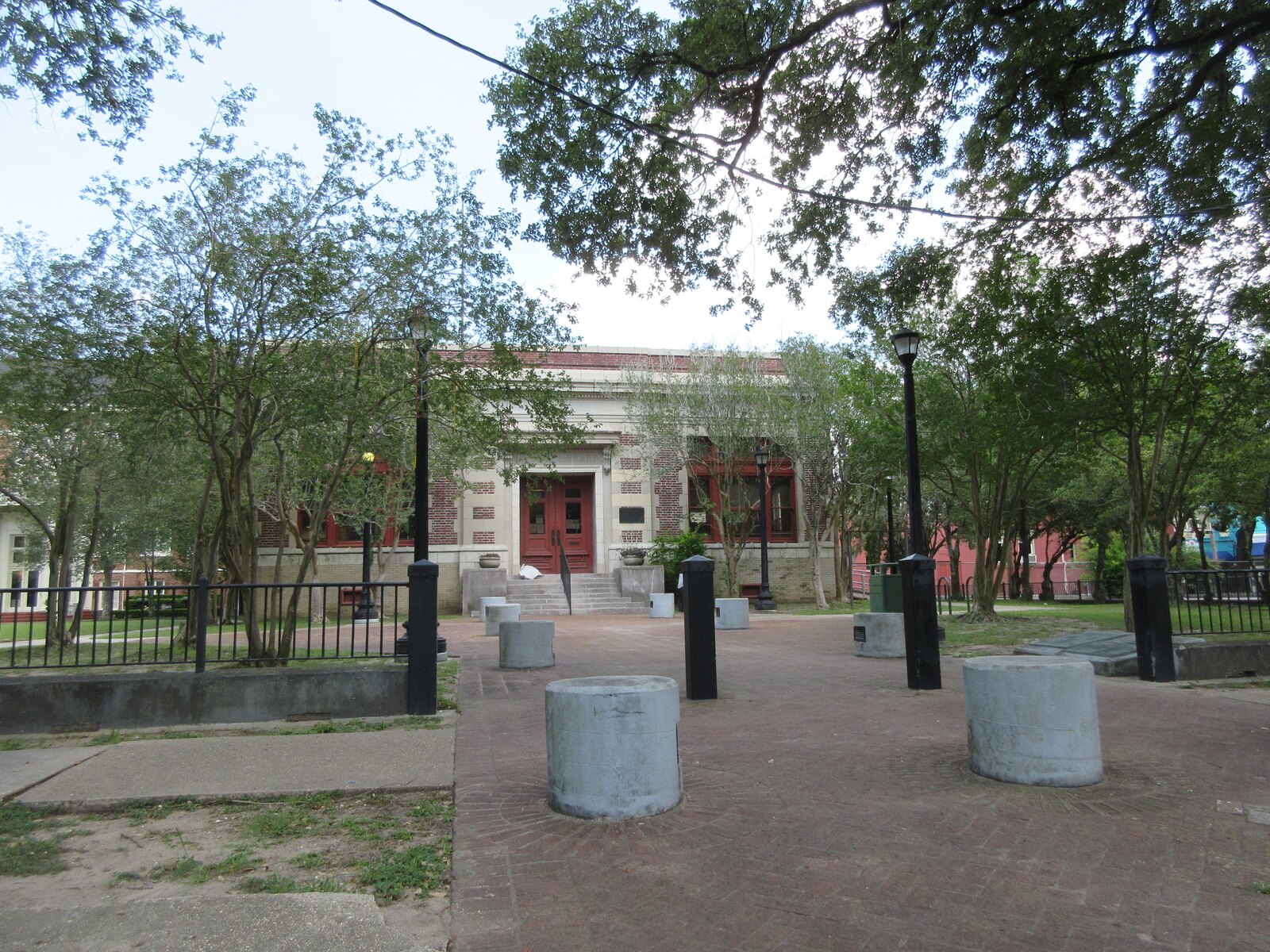
New Orleans’ Children’s Resource Center is open again after major repairs. The 118-year-old building now gives babies, toddlers and preschoolers more room for play, stories and time with their caregivers, while remaining open to all ages.
TypeSafe AI has raised $870 million to expand its approach to decisions inside software. Its Jev model could help make everyday digital tools quicker and less expensive to run, while giving developers ways to send uncertain cases for review.
Two bedrock computing problems have faster theoretical solutions, thanks to an algorithm discovered by Anthropic’s Claude and developed by researchers Josh Alman and Virginia Vassilevska Williams. Their new preprint crosses speed barriers that helped define where faster algorithms might be possible. The decimal places look tiny. The mathematical consequences aren’t. Enormous overhead means your laptop’s victory lap will have to wait.
Researchers tracked and steered millimeter-scale magnetic robots inside a goat, tackling a navigation problem for future less-invasive medical devices. AI helped separate the robot’s faint signal from the powerful fields moving it. It’s an animal-study advance; human treatment is still unproved.
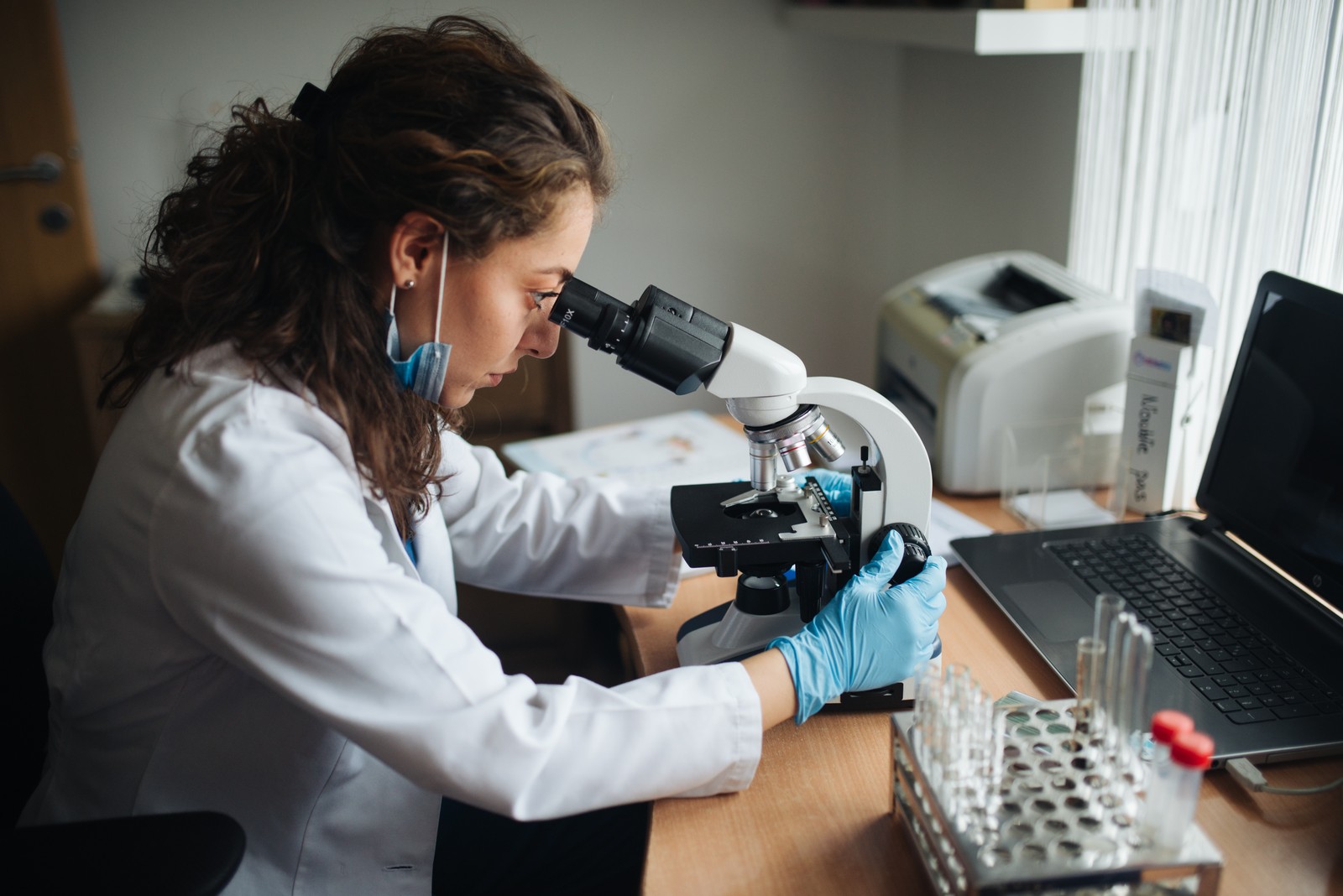
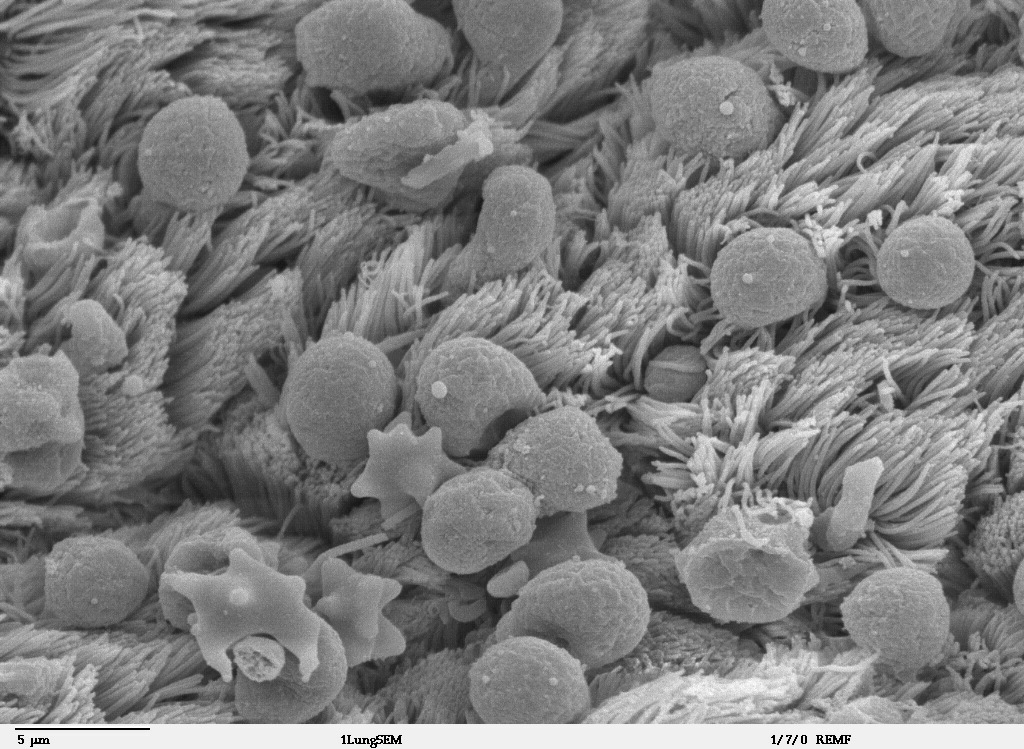
Human lung organoids kept their resident immune cells and responded to the virus behind COVID-19, giving researchers a more realistic place to study respiratory defenses. The miniature tissue models could help test vaccine ideas. This was laboratory research; protection in people remains unproved.
Two specialized robots helped a bridge crew tackle thousands of repetitive tasks. The useful result is measured in shifts, with a few important qualifications.
Project MedBridge helped move roughly 30,000 pounds of unused supplies to a humanitarian distributor, turning pandemic-era surplus into a practical opportunity.
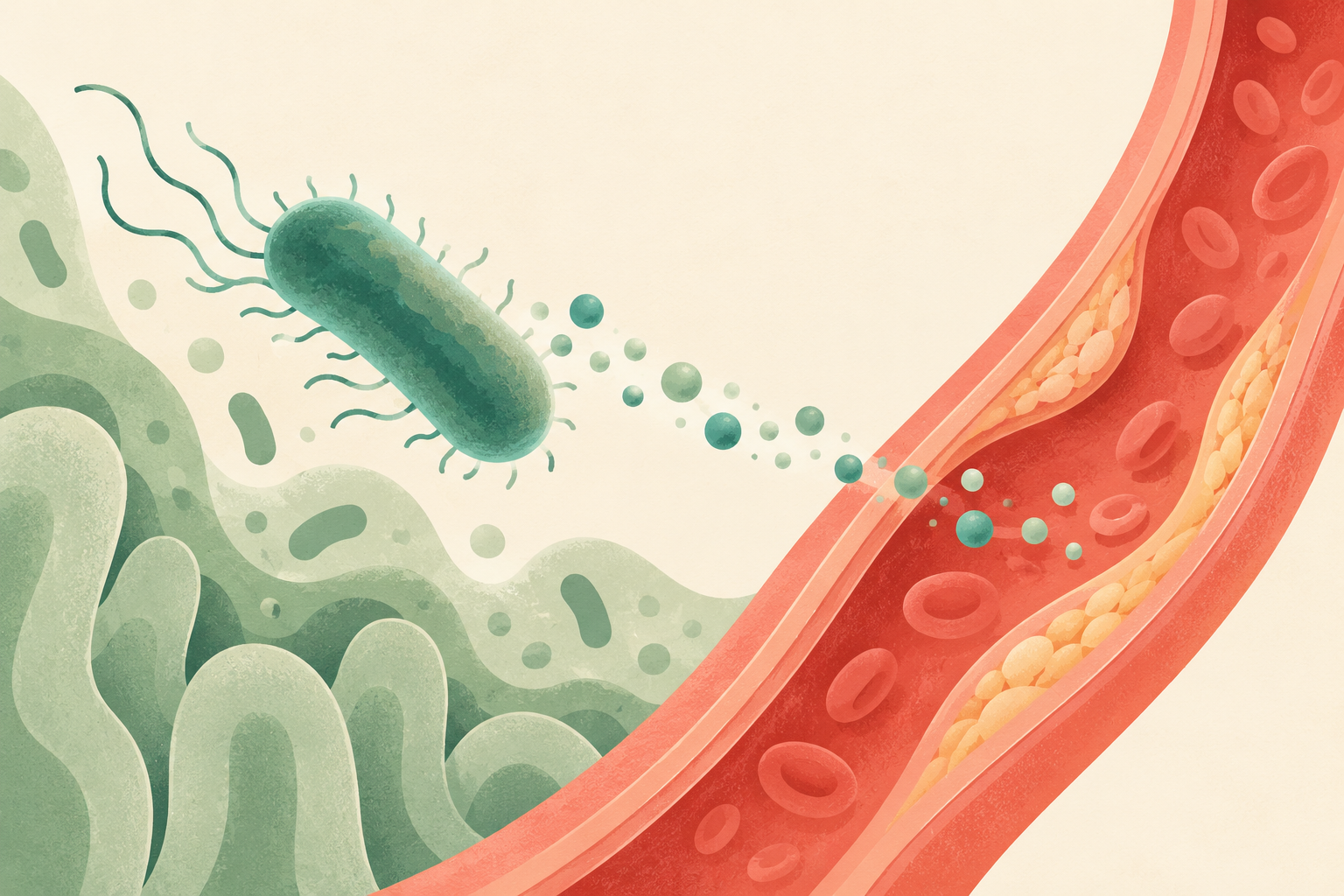
A molecule made by gut bacteria reduced arterial plaque in mice and pointed researchers toward a familiar cholesterol-control mechanism. Cardiovascular benefits in people remain unproven.
Researchers found a possible early warning in the immune system, then cut lung-tumor incidence from 10 of 12 mice to 5 of 12. The human prevention question remains open.
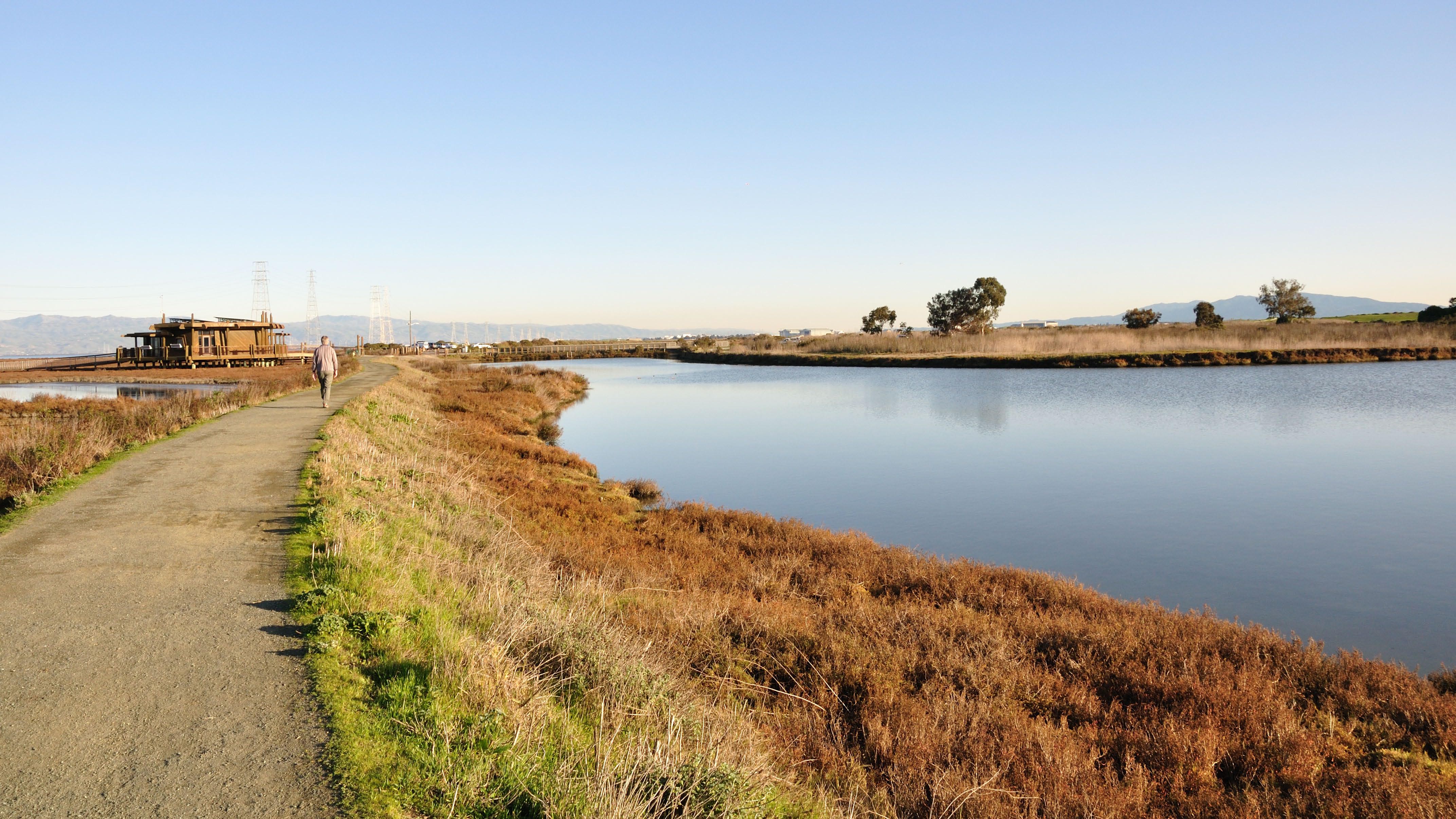
Wastewater plants supply an estimated 86% of the inorganic nitrogen entering San Francisco Bay in the dry season. That’s algae food, and the Bay’s huge 2022 bloom brought widespread fish deaths. Palo Alto has now built a $4.6 million shoreline pilot to test an extra cleanup stop for some of that treated water. If it works, the approach could help Bay communities cut pollution, restore habitat and prepare for rising seas with the same stretch of shoreline.
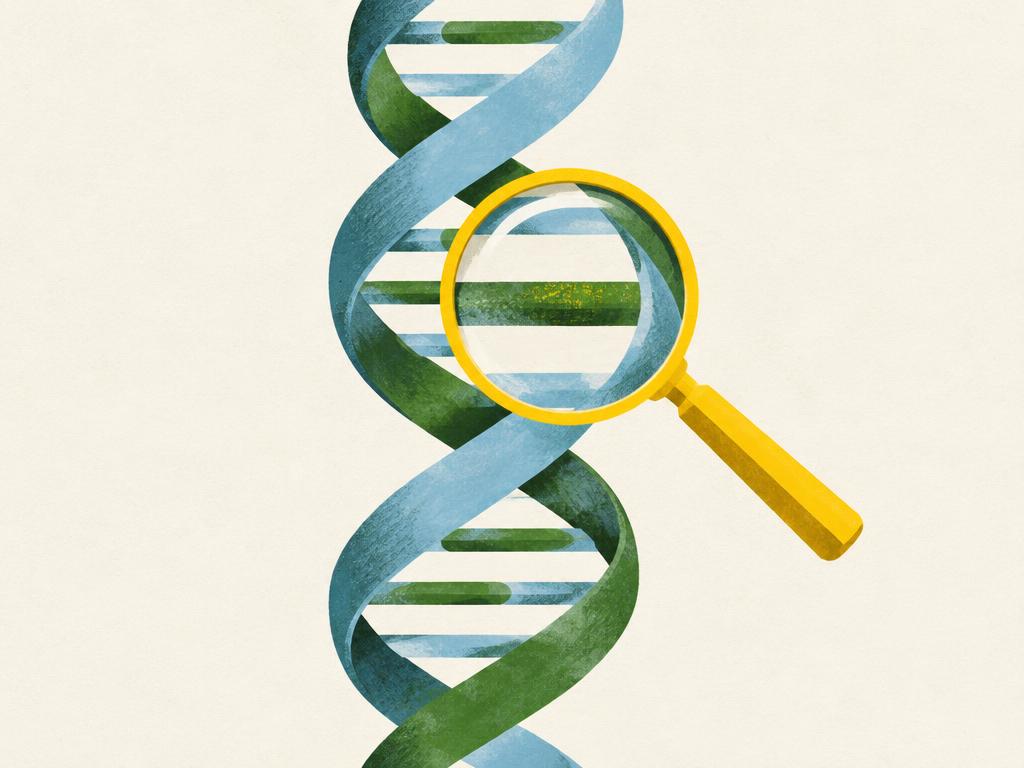
Google DeepMind’s AlphaGenome Atlas makes nine billion possible DNA changes searchable, helping researchers spot clues worth testing. One rare-disease case shows the payoff.
Cardross volunteers turned neglected station gardens into flowers, fruit, herbs and vegetables for the community. Their growing operation now has an award to match.