Artery-clogging plaque can set the stage for heart attacks and strokes, making any credible new way to tackle it worth a closer look. A molecule made by gut bacteria has now produced an encouraging result: mice receiving it had roughly half as much arterial plaque as comparison animals in a study published October 7 in Nature. Cardiovascular benefits in people have not been demonstrated.
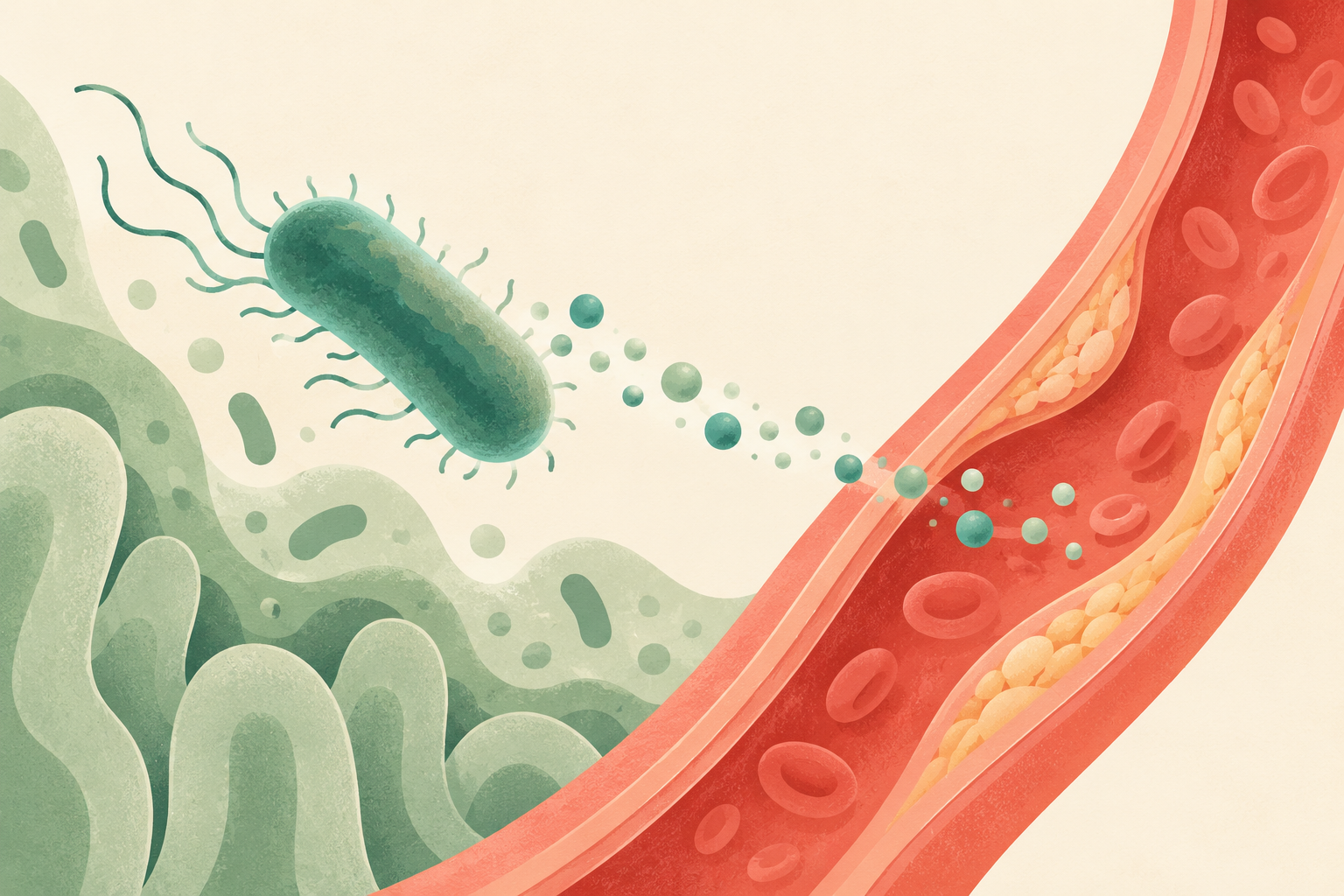
The molecule is pentadecanoic acid, also called PA or C15:0. Researchers traced it to Bacteroides uniformis, a bacterium found in the human gut. The intriguing part is the chain of events they uncovered between a microbe in the intestine and cholesterol handling in the liver. A tiny tenant appears to have some useful chemistry.
The team, including microbiologist Wenjing Zhao at Sun Yat-sen University, began with a clue from human samples: the bacterium was less abundant in people with cardiovascular disease. Giving live bacteria to atherosclerosis-prone mice on a high-fat diet reduced plaque by about a third, Nature reported. The researchers then isolated the molecule behind much of the effect.
PA inhibits HMG-CoA reductase, an enzyme involved in making cholesterol. Statins target that enzyme, too. In the mouse research, the resulting changes increased the liver’s LDL receptors, helping remove LDL cholesterol from the bloodstream. That gives researchers a specific mechanism to investigate, rather than simply an association between certain gut microbes and healthier arteries.
LDL receptors are part of the body’s cholesterol collection service. When LDL particles bind to them, the process of clearing those particles from the blood begins. NIH researchers have separately studied this interaction in molecular detail because problems with it can leave too much LDL circulating. Understanding both production and clearance is central to understanding the new result.
The animal work used male mice genetically prone to atherosclerosis. The eight-week experiment found about 57% less plaque-stained area across the aorta and 37% less at its root, compared with controls. Those are differences between groups, not evidence that an individual animal’s existing plaque was cut in half. The study’s human component was observational, comparing people with abnormal blood lipids and controls, rather than testing PA as a treatment.
Ben Chen, a cardiovascular researcher at Monash University who commented on the work for Nature, saw value in its move toward a possible causal explanation of how the microbiome affects vascular health. That is an important scientific step: a proposed mechanism gives other researchers something concrete to test and try to disprove.
The next hurdles include establishing safety, suitable dosing and whether any benefit holds up in people. As the FDA explains, laboratory and animal work cannot replace clinical research. This study does not show that a C15:0 supplement prevents heart attacks, and it is no reason to replace prescribed cholesterol treatment. Statins already have evidence of reducing heart-attack and stroke risk in people with high LDL.
The paper also discloses that coauthor Xiangyu Mou is an inventor on a pending patent covering PA for preventing or treating atherosclerosis. For now, the good news is a clearer experimental lead: gut bacteria have handed scientists a molecule and a promising set of questions. The next answers will have to come from the research.
Sources
- Nature: original peer-reviewed study, abstract, extended data and competing interests
- Nature: Figure 3, plaque measurements and control groups
- Nature: supplementary methods
- Nature: reporting summary, animal models and observational human study design
- Nature: reporting and interviews by Max Kozlov, October 7, 2026
- NHLBI: atherosclerosis and its consequences
- NIH: how LDL binds to its receptor and is cleared from blood
- FDA: why clinical research is needed
- NHLBI: established cholesterol treatments
- Monash University: Ben Chen’s research profile
- Nature: Figure 3 source data
- Sun Yat-sen University: Wenjing Zhao’s profile
- Sun Yat-sen University: Xiangyu Mou’s profile
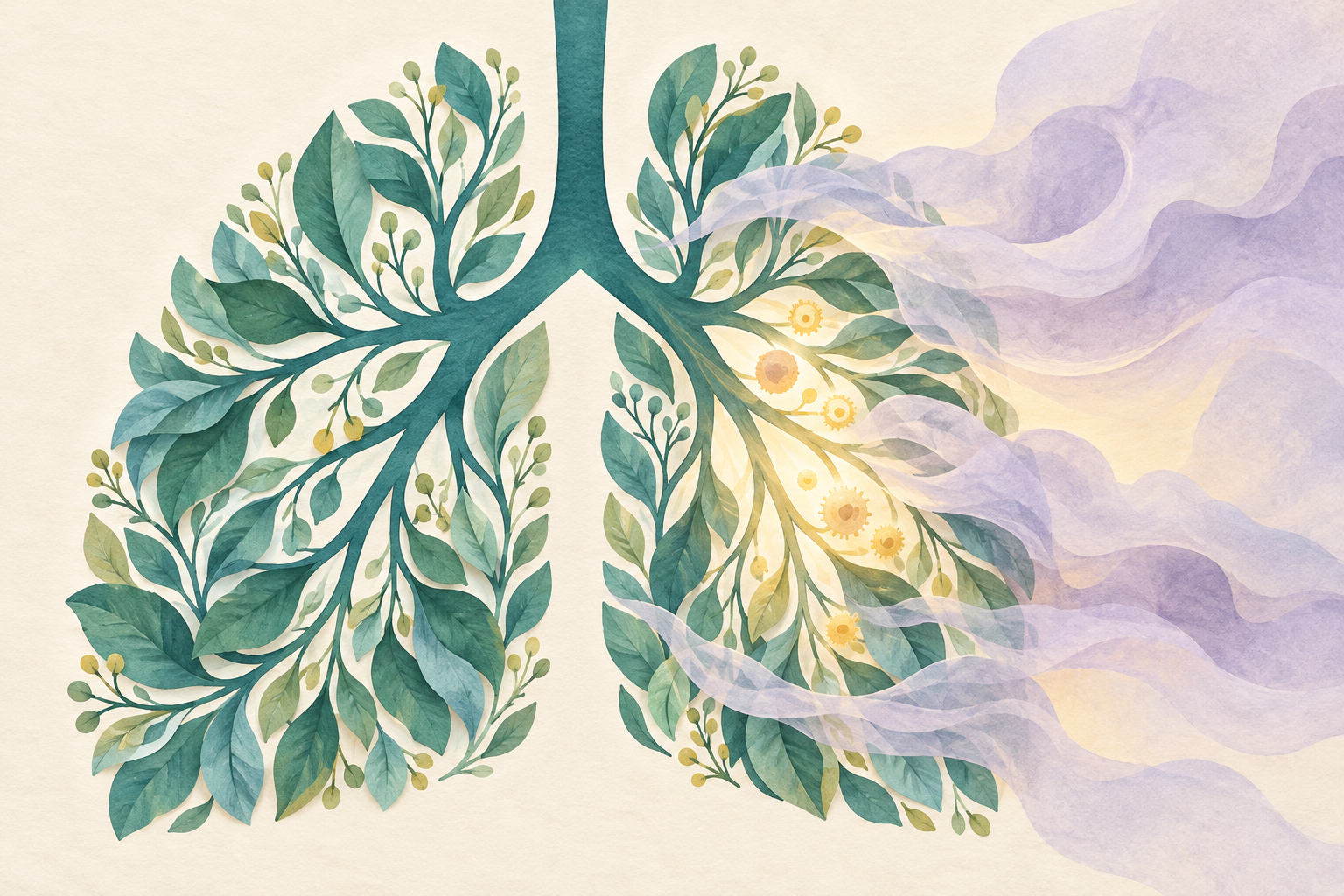
Original AI-generated conceptual illustration / Actually Good News. Not a photograph of the study, a species identification or a medical diagram.