California’s electricity grid got a helping hand from a power plant scattered across people’s homes. On the evening of September 9, more than 140,000 household batteries supplied over 580 megawatts at their combined peak, according to Sunrun and Tesla.
Announced on September 21, the result followed a three-hour dispatch requested by the California Energy Commission and utilities during a hot evening. It offers a September example of equipment already installed in homes working together.
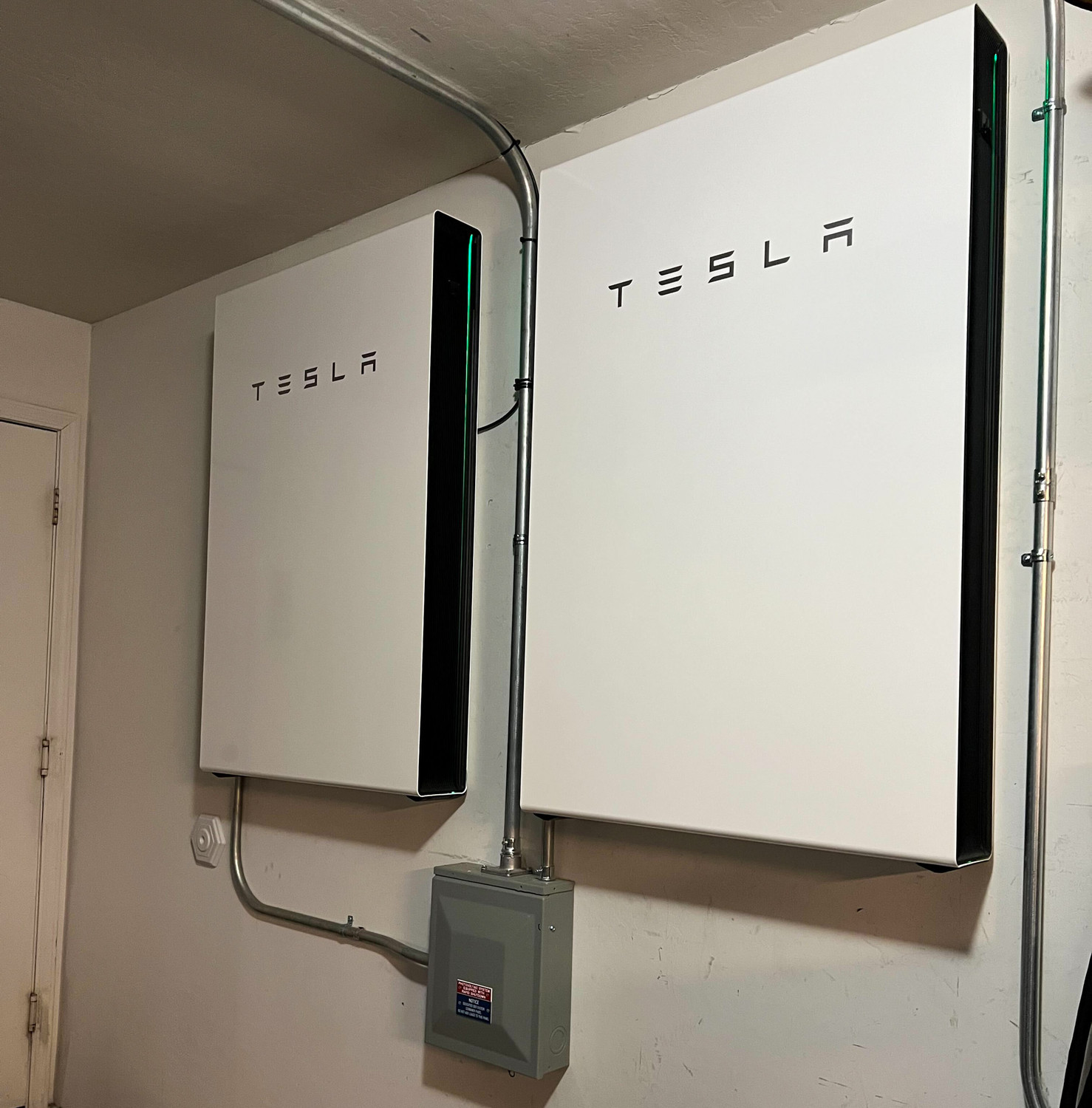
The fleet combined 110,000 Tesla Powerwalls with more than 30,000 other batteries. Their respective contributions were 517 and 63 megawatts. Sunrun operated 55% of those Powerwalls, so the two companies’ battery fleets overlap and must not be counted twice.
This is the idea behind a virtual power plant. Software coordinates many smaller devices so they can respond together to the electricity system’s needs. The equipment may sit in houses and businesses, but the response can become large enough to matter to the wider grid.
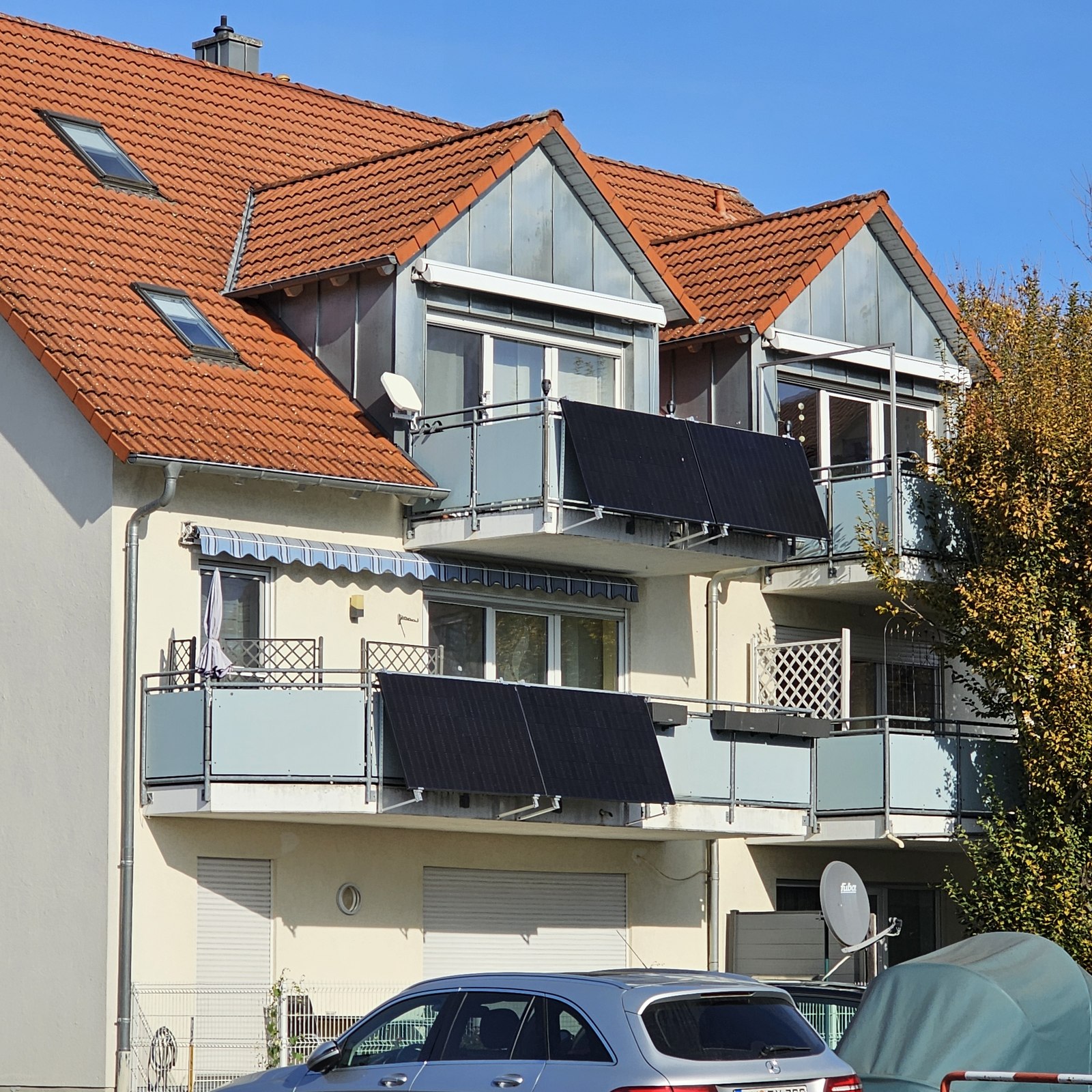
The U.S. Department of Energy describes several ways such networks can help: shifting electric-vehicle charging away from crowded hours, reducing demand through flexible appliances, and calling on batteries to supply stored electricity. In a solar-and-battery system, energy can also be saved for use after the panels’ most productive hours.
California’s Demand Side Grid Support program offers incentives for customers to reduce net electricity demand or provide backup generation during extreme events. Sunrun says the September dispatch used that program and the state’s Emergency Load Reduction Program.
The key number needs the right unit. Megawatts measure the rate of power delivery at a particular moment. Megawatt-hours measure energy supplied over time. A peak above 580 megawatts during a three-hour event does not establish that the batteries maintained that output for all three hours.
The dispatch figures come from the companies involved. An independent event-level accounting was not located in the public grid and regulator sources reviewed for this story. The announcement also does not establish how much the event changed customer bills or whether it prevented a particular blackout.
There is still a practical result worth noticing. A home battery can serve its household and, when enrolled and coordinated, contribute to a shared electricity resource. That gives grid planners another tool for difficult hours, while preserving the need to measure what it actually delivers.
The follow-through matters as these networks grow: dependable communication, clear customer participation terms and performance that utilities can verify. September’s reported dispatch offers a substantial real-world example of the basic idea. Thousands of small contributions can add up to power-plant scale.
Sources
- Sunrun and Tesla: September 9 battery dispatch, announced September 21, 2026
- California Energy Commission: Demand Side Grid Support program
- U.S. Department of Energy: how virtual power plants work
Photo: Rsparks3, “Two Tesla power wall 3 devices installed inside in a residential home.jpg” / Wikimedia Commons, CC0 1.0 Universal. EXIF orientation normalized where applicable; proportional resize and JPEG compression only. No crop, retouching or generative modification.