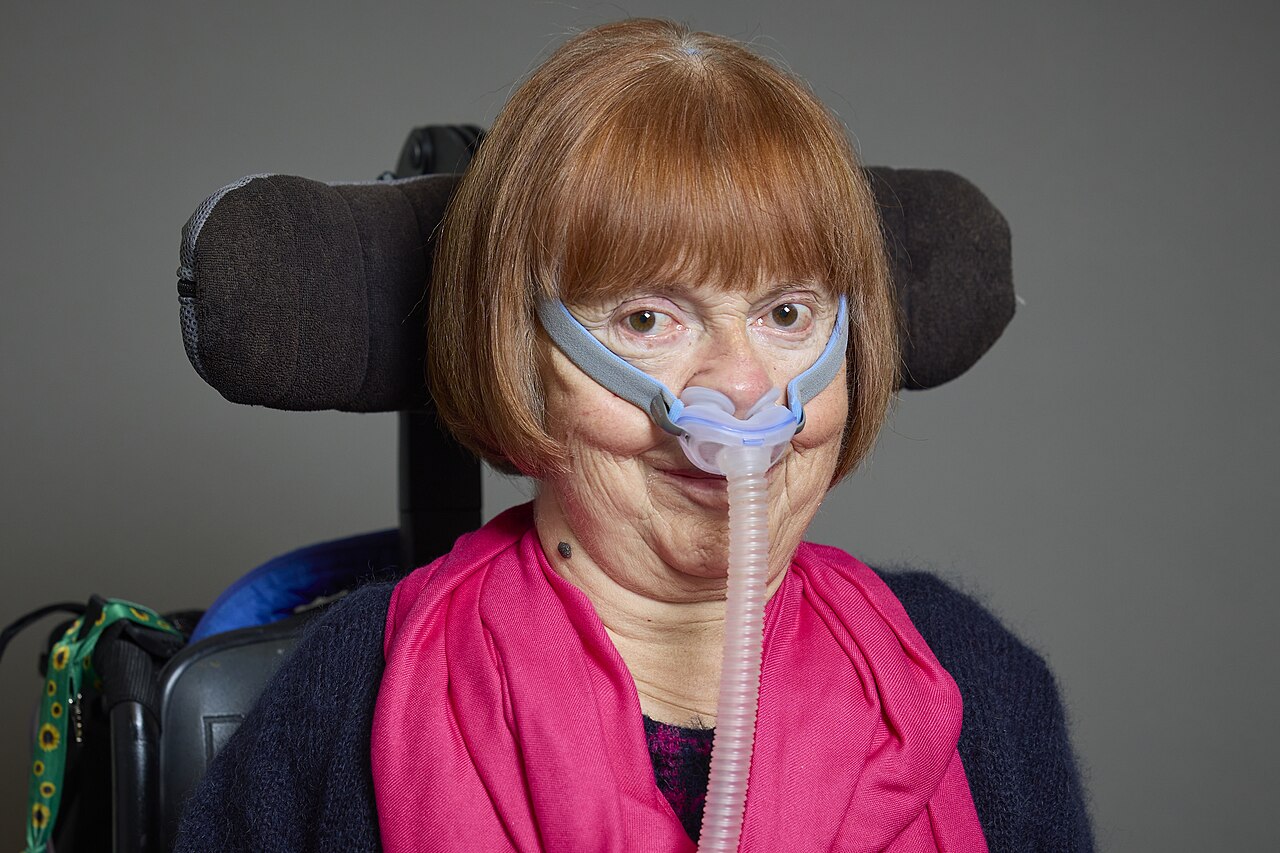
Baroness Jane Campbell’s speech in the House of Lords on October 13 came with a new way to be heard. Using an AI recreation of her voice, the disability-rights campaigner delivered her own words to fellow peers, bringing a familiar sound to an argument she had chosen and written herself.
The official parliamentary record places her contribution at 4:10 p.m., during the Health Bill’s second reading. She thanked the Procedure Committee, technical team and parliamentary staff for making the arrangement possible. Parliament describes the occasion as the first speech delivered by an MP or peer using an AI-generated voice in the UK Parliament.
The personal control behind the technology matters. In Parliament’s announcement ahead of the debate, Campbell made clear that the speech’s views and arguments were hers. “It’s my voice, my style, my words,” she said. AI supplied a means of delivery for a person who already had something to say.
According to ElevenLabs, the company whose technology she used, Campbell chose to recreate her voice from earlier recordings of herself speaking. Its system used those clips to reproduce characteristics including tone, rhythm and pitch. She then converted her written speech into audio, which was played through an assistive device in the chamber. That account describes prepared text-to-speech delivery, rather than an AI system spontaneously answering questions or composing her contribution.
The change also builds on an older accommodation. In 2012, the Lords allowed Campbell’s personal assistant into the chamber to read her speeches when needed. With her voice increasingly affected by her disability, the new arrangement gives her another way to contribute. The technology and the institution’s permission work together: having a tool available is only part of making it usable in a formal setting.
Her subject was independence. In the debate, Campbell argued that disabled people should retain meaningful choice over the support they receive. She called for safeguards around personal health budgets and warned against arrangements that take control away from individuals. Those were her policy arguments, recorded in Hansard; the speech itself did not establish that the proposed legislation would deliver them.
This was a completed, individual use of assistive technology. It was not a medical recovery, and it does not demonstrate that the same system will meet every person’s communication needs. The sources reviewed also do not establish how widely comparable support is available. Those questions remain important as voice-recreation tools develop.
What is already visible is a practical combination: a speaker choosing her words, technology helping them sound like her, and a public institution adapting so that she can take part. For Campbell, that combination reached the floor of Parliament.
Sources
- UK Parliament: October 9 announcement, Campbell’s authorship and parliamentary accommodation
- Hansard: Baroness Campbell’s October 13 Health Bill speech and the completed first use
- ElevenLabs: how Campbell recreated and delivered her voice, October 13; updated October 14
Photo: ©House of Lords / photography by Laurie Noble, Official portrait of Baroness Campbell of Surbiton, 2025 / Wikimedia Commons, Creative Commons Attribution 3.0 Unported (CC BY 3.0). Parliament’s official 3:2 crop; Wikimedia proportional 1280 × 853 rendition. No additional crop, retouching or generative edits.