Making a little of your own electricity could become more practical for Californians whose home solar dreams stop at somebody else’s roof. A newly signed law gives qualifying plug-in solar systems a simpler path into homes, opening another door for renters, condo residents and people without a suitable roof. The balcony may be getting a job beyond storing the folding chairs.
Governor Gavin Newsom signed Senate Bill 868 on September 30. Authored by state Senator Scott Wiener, it takes effect January 1, 2027. The change matters because it tackles the utility paperwork that can turn a small household energy project into a disproportionately large undertaking.
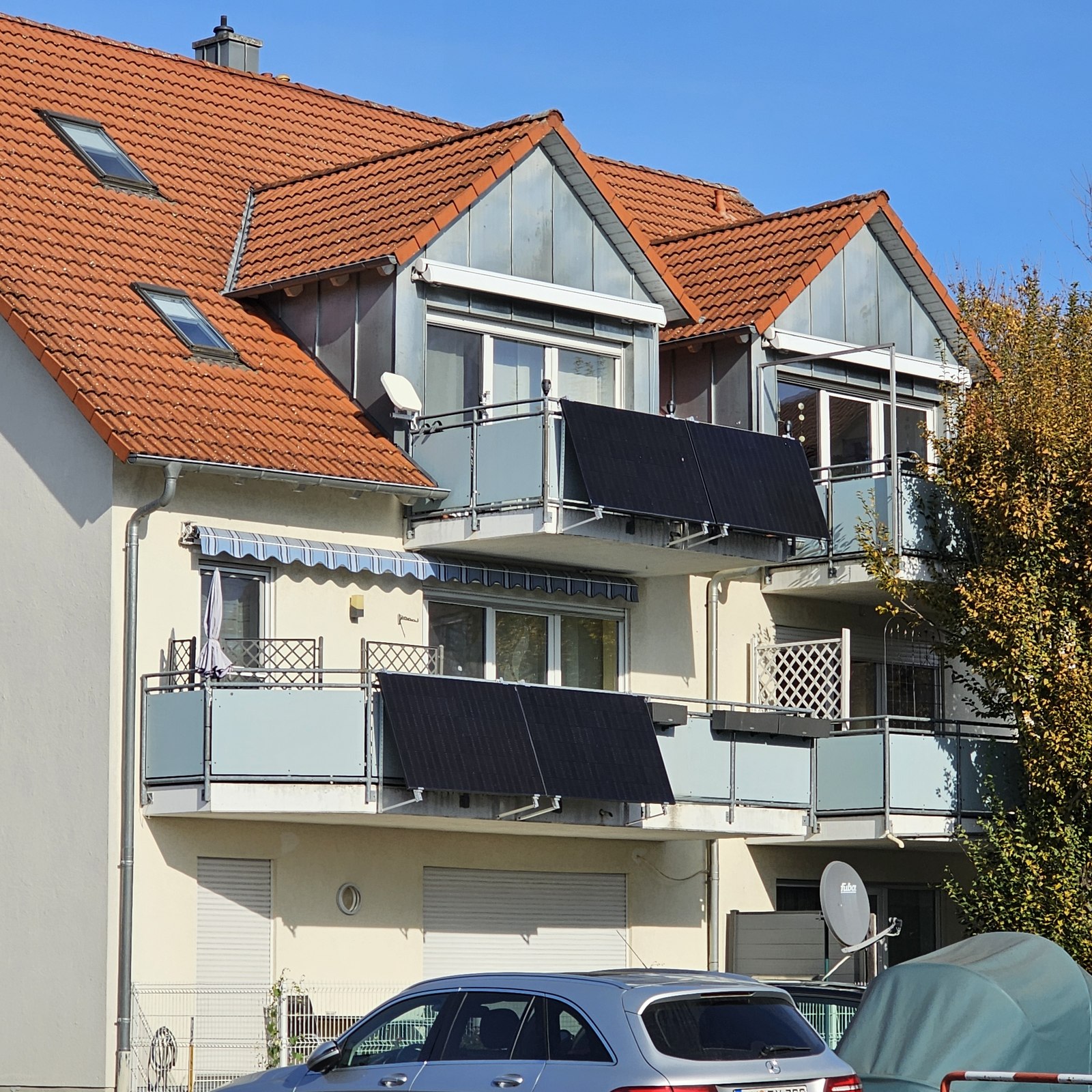
Often called “balcony solar,” these systems use small photovoltaic panels to generate electricity for use at home. The law covers devices designed to connect to a building’s electrical system through a receptacle and offset electricity consumed on site. A dwelling’s qualifying devices can have a combined maximum AC output of 1,200 watts. That is a power limit across the home’s devices, not an allowance for every outlet.
For qualifying systems, the new law removes utility interconnection requirements, including the need for an interconnection agreement. Utilities cannot demand advance approval, impose device-related fees or require extra equipment beyond what is built into the system. They can still request a simple online notification listing the address and the device’s make, model and size. That registration cannot become an approval process.
This is the appealing part: a household-scale solar project gets household-scale treatment. Someone who cannot install a conventional rooftop array may gain another way to supply some of their own electricity. The law expands the possibilities without requiring every interested resident to become the owner of a sun-drenched roof.
There are important boundaries. To qualify, a system must meet national and California electrical codes and be certified as a plug-in photovoltaic system by UL or an equivalent nationally recognized testing laboratory. It also needs certified protection against sending electricity back to the grid during an outage. An arbitrary panel and a convenient socket do not establish compliance.
Utility approval is only one part of the picture. The law does not sweep away every landlord or building restriction, and the January start date matters. It is also too early to present statewide California savings from this new framework as an established result. The opportunity is real; an individual household’s financial payoff still needs to be worked out.
One more date belongs on the calendar: January 1, 2030. The section granting the utility exemptions expires then under the law as written, so keeping that simpler route would require further legislative action.
For now, California has made a concrete move toward letting more households participate in solar. A little patch of sunshine has a clearer route to becoming useful electricity. Those folding chairs may need to share.
Sources
- Governor of California: September 30, 2026 signing list
- SB 868 chaptered text, Chapter 985, reproduced by LegiScan
- pv magazine USA: October 1 report and January 1, 2027 effective date
- Senator Scott Wiener: May 19 background on access for renters and households without suitable roofs
Photo: Nikolai Twin, “Balkonkraftwerk2” / Wikimedia Commons, CC BY 4.0. Resized to 1600 × 1600 and JPEG-compressed for web delivery; orientation normalized, no crop.