Lung cancer can be well advanced by the time symptoms bring someone to a doctor. Researchers have now spotted an immune-cell signal that rises before diagnosis, then used a drug to halve the proportion of mice developing lung tumors. Whether the approach can prevent cancer in people remains unproven.
The study, published October 7 in Nature, was led by James Reading and Sam Janes at University College London. Its unlikely starting point is the immune system’s own brakes: regulatory T cells, or Tregs. These cells help keep an immune response from going overboard and damaging healthy tissue. In the wrong setting, though, that restraint may give developing cancer room to grow.
The team examined blood and tissue collected through lung-cancer surveillance and screening studies. A particular group of active Tregs built up in precancerous airway lesions and was linked to related cells circulating in the blood. UCL describes the effect as an immune “fog,” potentially obscuring abnormal cells from the body’s defenses.
That circulating signal is the intriguing part. A comparison of higher- and lower-grade precancerous lesions included 68 blood samples from 31 people. A separate, very small analysis tracked immune-cell lineages in five people before their lung-cancer diagnoses. Together with other patient cohorts, the findings suggest a way to watch an emerging problem without repeatedly sampling the lung itself. They do not yet establish a reliable screening test.
Next came the intervention. Female mice exposed to a cancer-causing chemical received the experimental drug PI-3065 in their food from week 15, when precancerous disease was emerging, through week 24. It blocks an immune-signaling enzyme called PI3K-delta. Tumors developed in 10 of 12 control mice, versus 5 of 12 receiving the drug: about 83% versus 42%, a drop of roughly 42 percentage points in this small experiment. Investigators assessing tumor incidence and size were blinded to treatment allocation.
The tumors that did develop were smaller, too, and the largest size range seen in controls disappeared. But the overall burden of precancerous airway lesions did not fall. The researchers interpret this as interference with the conditions that allow some lesions to become invasive, rather than a wholesale cleanup of abnormal tissue. That distinction matters when imagining how such a treatment might eventually work.
Safety will be a major hurdle. The mouse treatment was reported as well tolerated, but Tregs perform an essential job, and disturbing immune regulation can cause harm. The paper stresses that any intervention for people without invasive cancer must have a particularly favorable balance of benefit and risk. It discusses safer drugs, intermittent dosing and local delivery as possibilities requiring further investigation.
The blood-test idea has hurdles of its own: infection, injury and chronic inflammation can also alter Tregs. Larger prospective studies must establish whether the signal can distinguish cancer risk from those other causes. Cancer Research UK reports that the team is refining its prototype test and working toward a clinical trial. No human cancer-prevention benefit has yet been demonstrated.
The paper discloses that Reading, Janes and colleagues have filed patents relating to early cancer detection. For now, the encouraging result is a more specific target and a possible way to track it. Researchers are trying to move the encounter with lung cancer earlier, while there is still a chance to interrupt its plans.
Sources
- Nature: original peer-reviewed study, methods and competing interests
- Nature: Figure 5, mouse intervention and tumor incidence
- UCL: research announcement, October 8, 2026
- Cancer Research UK: researcher interviews and next steps, October 7, 2026
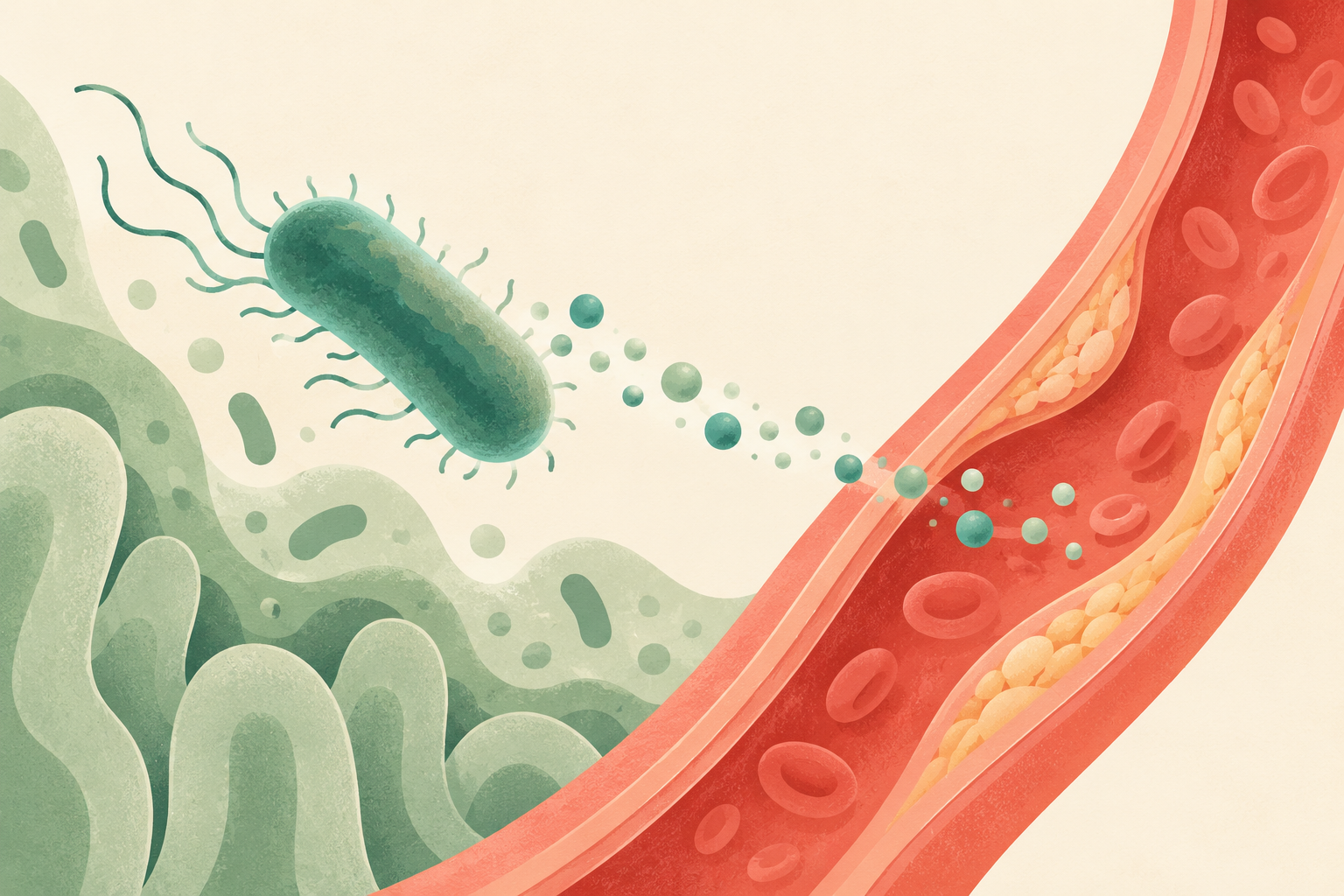
Original AI-generated conceptual illustration / Actually Good News. Not a photograph of the study or a medical diagram.