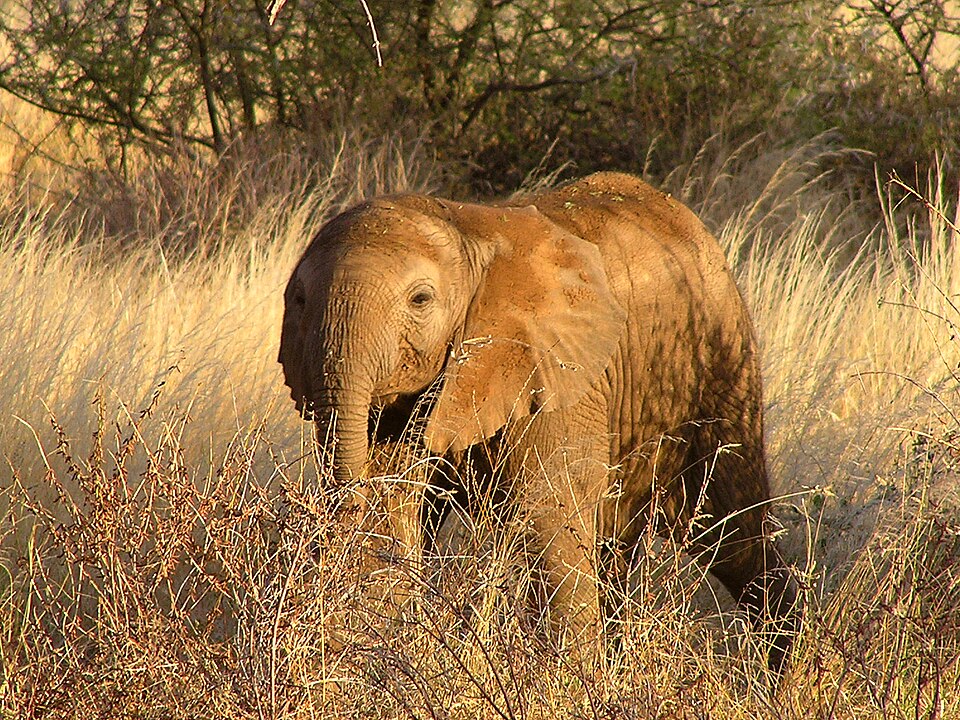
At Kenya’s Reteti Elephant Sanctuary, feeding a baby elephant also helps pay a neighbor’s bills. About 1,250 Samburu women sell goat milk to the sanctuary, connecting the daily needs of orphaned calves with income for the people who share their landscape. The customers have trunks. The benefits travel considerably farther.
One person at the center of that connection is Dorothy Lowakutuk, a keeper who joined Reteti in November 2016. She grew up in Samburu East and studied community development and social work. In an interview published by Reteti, she described wanting to bring her community and wild animals together, and to teach younger generations about conservation.
Her first assignment was in the elephant kitchen, preparing milk bottles on a three-hour cycle. The job demands much more than a steady pouring hand: she described observing behavior, checking body condition and helping monitor the animals’ health. Knowing an individual elephant well enough to spot a change is a practical skill with serious stakes.
An October 6 profile in Positive News revisits Lowakutuk’s work and the community-led sanctuary’s wider impact. It describes her helping calves prepare for eventual life in the wild while gaining a stronger voice in her own community. Reteti is approaching the story from years of experience: the sanctuary opened in 2016, and its Milk to Market program began in 2021.
The milk operation now reaches 21 manyattas, or homesteads, according to the Sarara Foundation’s 2025 program report. It collected about 20,500 liters a month and paid participating women $341,875 during that year. Those are the program’s own reported figures, and they put a useful number on the phrase ‘community benefit.’ This is milk being bought from local suppliers, with money going directly into women’s hands.
Reteti says that income helps women open bank accounts, cover school costs and access healthcare. Its 2026 International Women’s Day campaign also describes women supporting more sustainable grazing practices. The connection is tangible: healthier grazing land supports the goats, the goats supply the milk, and the sanctuary needs the milk. Conservation has a place in the household budget.
Keeping that arrangement running takes unglamorous work. The 2025 report identifies dry-season pressure on pasture and water, along with shortages of motorbikes, riders and transport support. Plans call for better collection and cooling capacity. Baby elephants may be the photogenic part, but a reliable supply chain deserves some camera time too.
Reteti’s 2026 expansion appeal sets out a second sanctuary and a goal of growing Milk to Market participation to 1,700 women by 2030. Those are plans, rather than completed results. Its current milestone figures include 16 female keepers and 110 Samburu staff members, evidence of a project already rooted in local employment.
The appeal of this model is easy to understand. An elephant’s recovery creates work for a keeper and a market for a neighbor’s milk. For communities living alongside wildlife, that gives the value of conservation a familiar, useful form: a livelihood.
Sources
- Reteti: Dorothy Lowakutuk’s own account of her background and keeper work
- Positive News: October 6 profile and reporting on community leadership
- Sarara Foundation: 2025 Milk to Market impact report
- Reteti: International Women’s Day 2026 and the Milk Mamas program
- Reteti: 2026 milestones and expansion goals
Photo: Henrik Bennetsen, “Baby Elephant” / Wikimedia Commons, CC BY-SA 2.0. Uncropped reduced-size rendition provided by Wikimedia Commons; no local image edits.