Nearly 100 new homes south of Denver have been completed with ground-source heat pumps, putting efficient electric heating and cooling to work at neighborhood scale. At Ken Caryl Ranch in Littleton, the most useful feature of a new home may be several hundred feet beneath it.
Lennar built the homes in partnership with Dandelion Energy. Inside Climate News reported the completed development in September; Dandelion’s September 30 case study also confirms that the Ken Caryl community is finished. This is a neighborhood people can move into, with underground equipment already installed.
The physics are pleasantly dependable. Ground-source heat pumps use electricity to move heat between a building and the earth. The U.S. Department of Energy explains that underground temperatures are much steadier than outdoor air temperatures. In winter, the ground supplies heat; in summer, it receives heat removed from the house. The equipment draws on that relative stability through buried pipes connected to an indoor heat pump. The lawn has a second job.
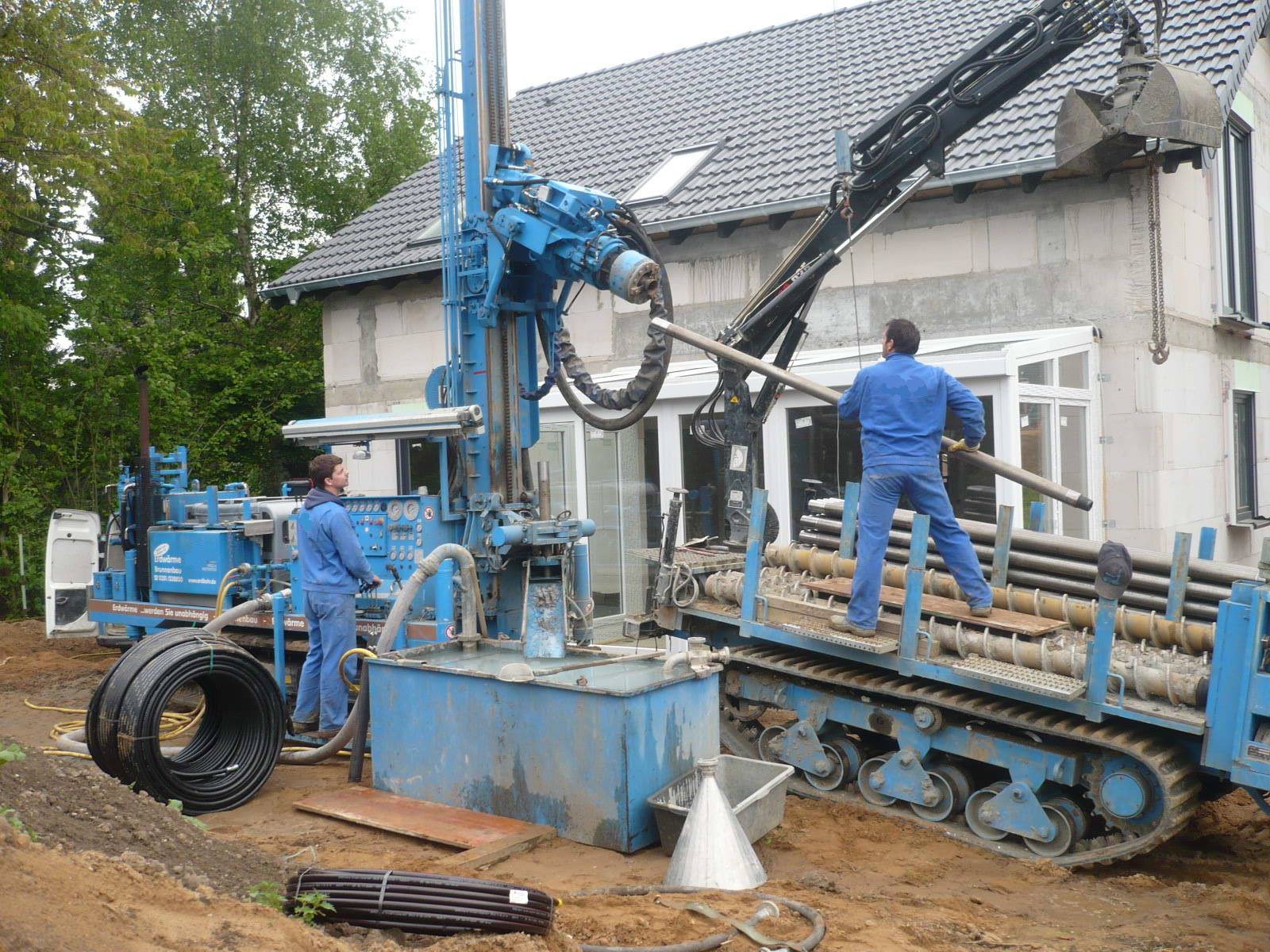
The difficult part has often been getting the system into the ground affordably. A drilling crew, specialized equipment and a custom installation can make an individual project expensive. Building a neighborhood offers a different rhythm: crews can move between adjacent lots, repeat similar designs and install underground loops before the houses go up. Inside Climate News describes bores 200 to 500 feet deep at Ken Caryl, connected to heat pumps in the basements.
Dandelion says coordinating the work across multiple homes reduces equipment moves and construction costs. Its case study describes two rigs keeping pace with one home per day at the first community. That is a useful example of the less glamorous work behind wider adoption: getting a promising technology to fit a builder’s schedule.
The financial help is substantial. Dandelion identifies a $25,000 Xcel Energy rebate and a $2,000 state incentive as central to the project’s economics, saying they offset the system cost. Those are project-specific claims from the supplier. They do not establish that every homeowner, location or retrofit could get geothermal at the same price.
The company’s broader Colorado program covers 1,500 planned homes. Its September case study reports one completed community, seven underway and more than 140 occupied homes across the program. The larger number should stay on the plans, rather than being mistaken for a finished-home count.
The sources do not yet establish measured energy-bill savings for Ken Caryl residents. Post-occupancy performance will matter as the homes experience more seasons. For now, the concrete achievement is a completed development showing how an established heating technology can become part of routine homebuilding. Sometimes progress involves drilling a lot of holes, then getting on with the houses.
Sources
- Inside Climate News, republished by Grist: reporting on the completed Ken Caryl development
- Dandelion Energy: September 30, 2026 Colorado program case study
- U.S. Department of Energy: how geothermal heat pumps work
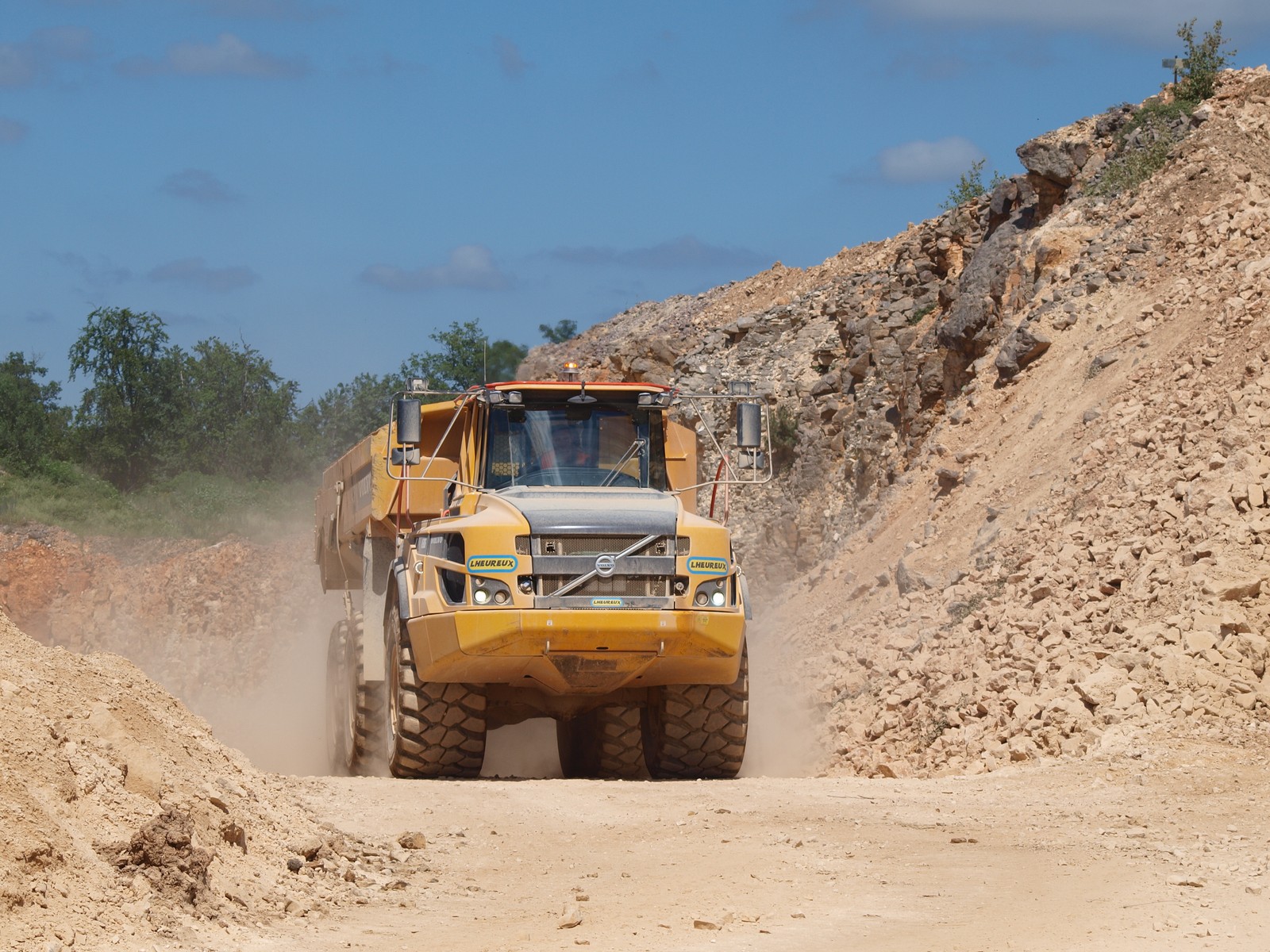
Photo: Tetris L, “Erdwaermesondenbohrung01.JPG” / Wikimedia Commons, Public domain (photographer dedication). Unmodified original JPEG. No resize or crop.