CODE TO HARDWARE / ROBOTICS
A Bay Area Startup Wants to Turn Code Into Tiny Working Machines
Its first product is a tiny electrical switch. The larger ambition is a factory that builds different machines by changing the code.
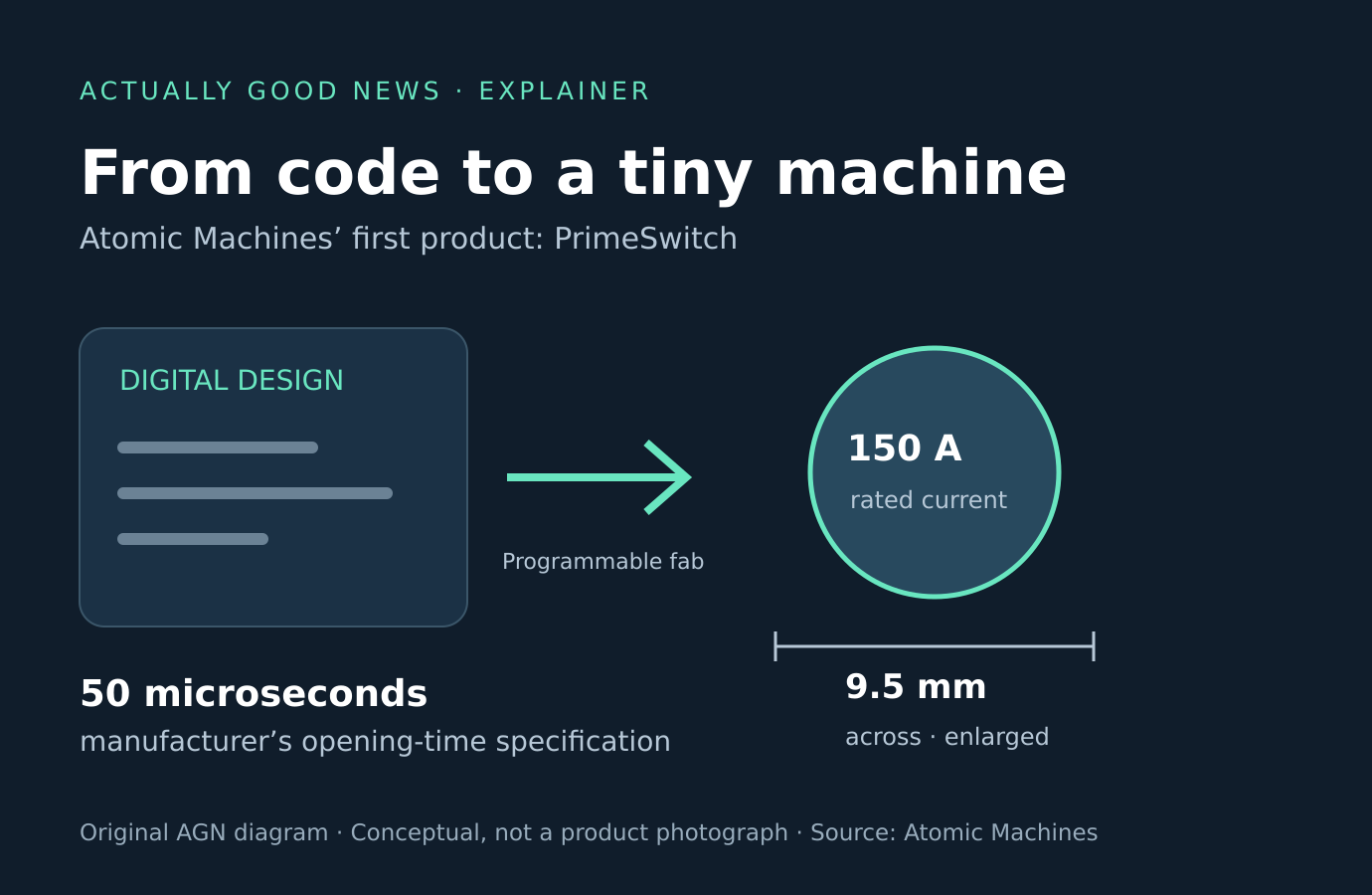
Its first product is a tiny electrical switch. The larger ambition is a factory that builds different machines by changing the code.
A gift puts Rules’ historic London home and collection into the National Trust’s care. The restaurant, founded in 1798, keeps serving diners under its independent proprietor.
An operating solar farm at Christchurch Airport adds 150 megawatts of capacity. Its projected annual output matches roughly 36,000 homes’ electricity use, with customers already signed up.
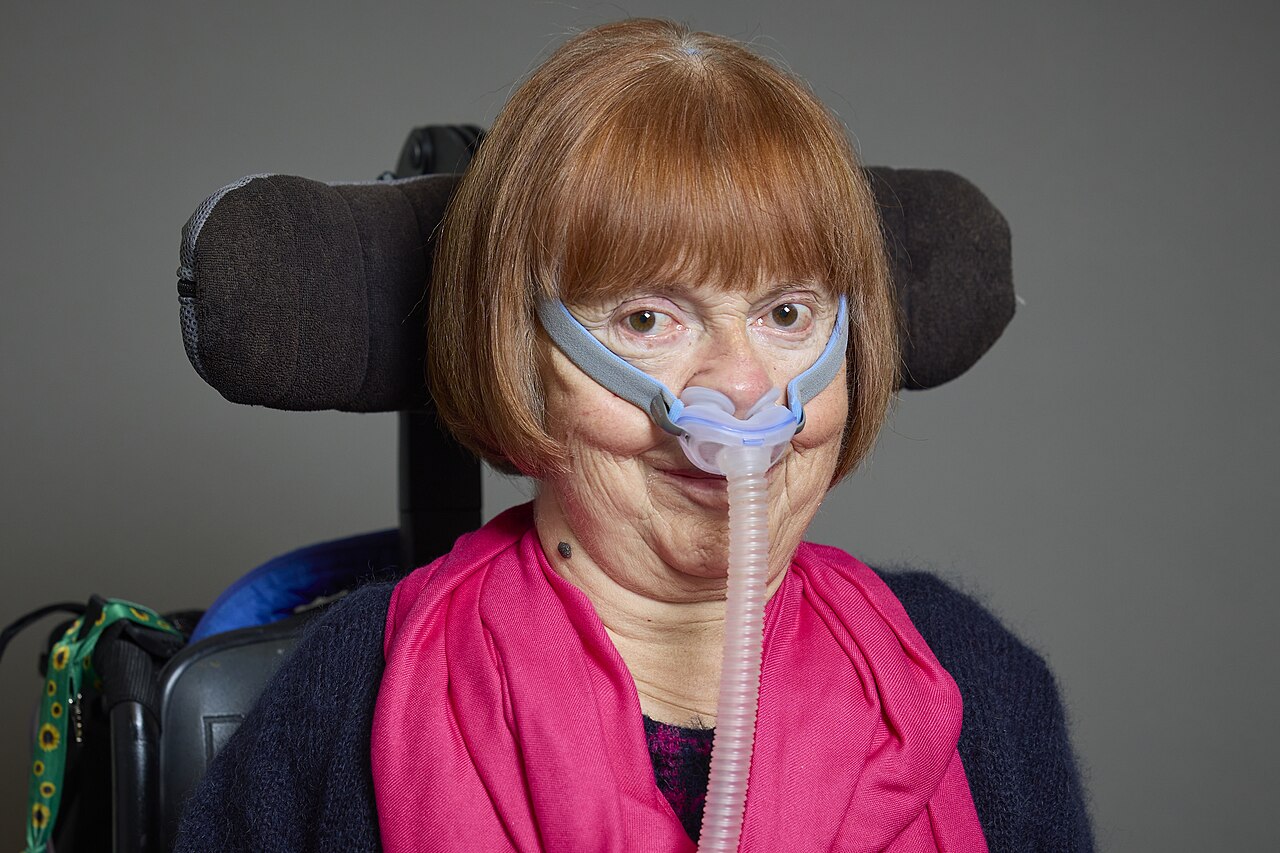
Baroness Campbell used an AI recreation of her voice to deliver her own speech in the House of Lords. The completed parliamentary first shows how assistive technology and an institution willing to adapt can make participation more personal.
ProofCouncil met First Proof’s correctness threshold on nine of ten research problems. The new expert-reviewed test also makes the errors, weak explanations and incomplete checks visible.
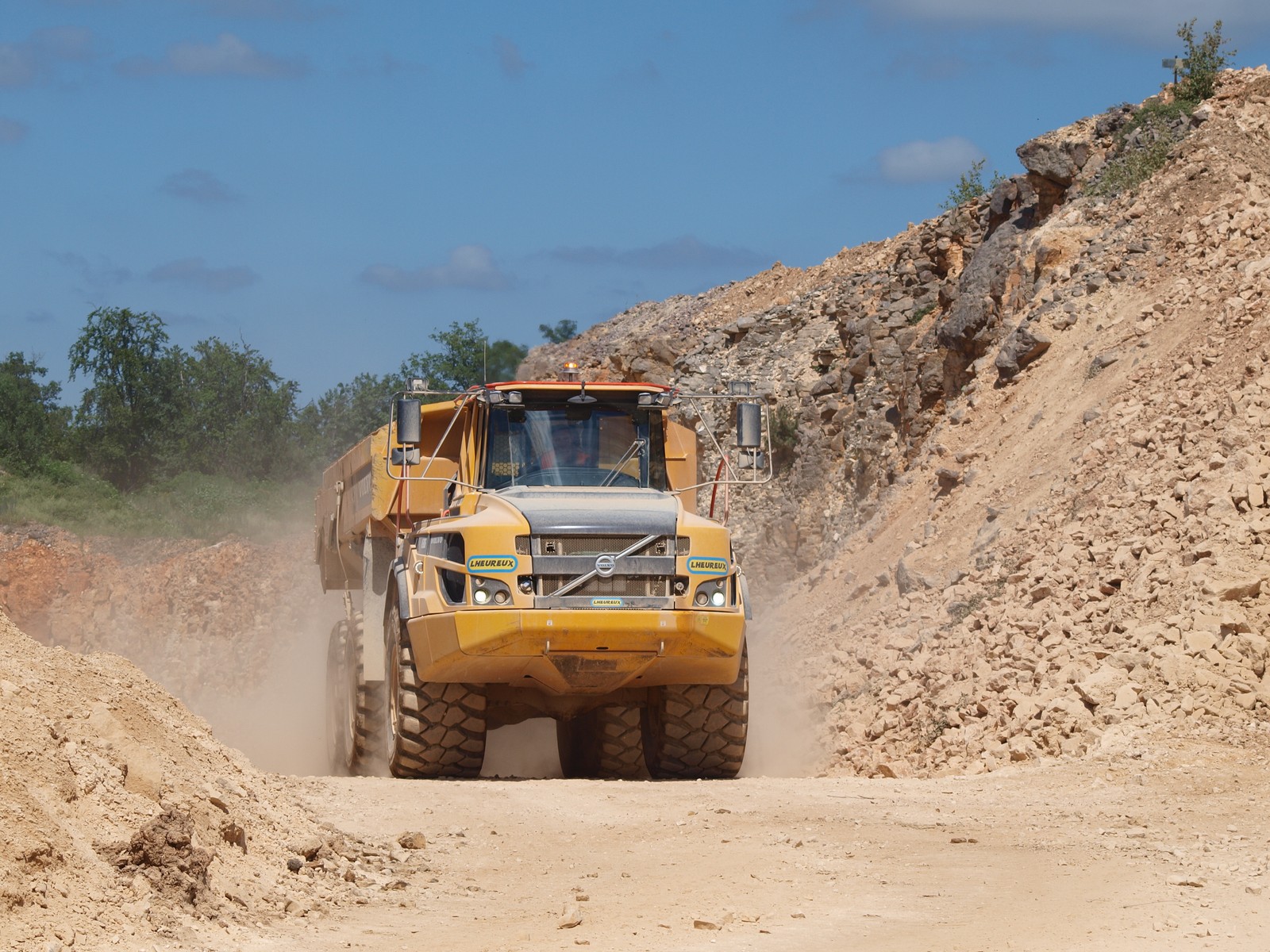
Nine trucks haul limestone through Norwegian tunnels while people handle loading, inspections and maintenance.
A phone from 2017 helped run UCLA’s small walking robot. The new PhoneBot prototype puts ordinary handset hardware to work in robotics, with four Android models tested and clear limits on what it can do so far.
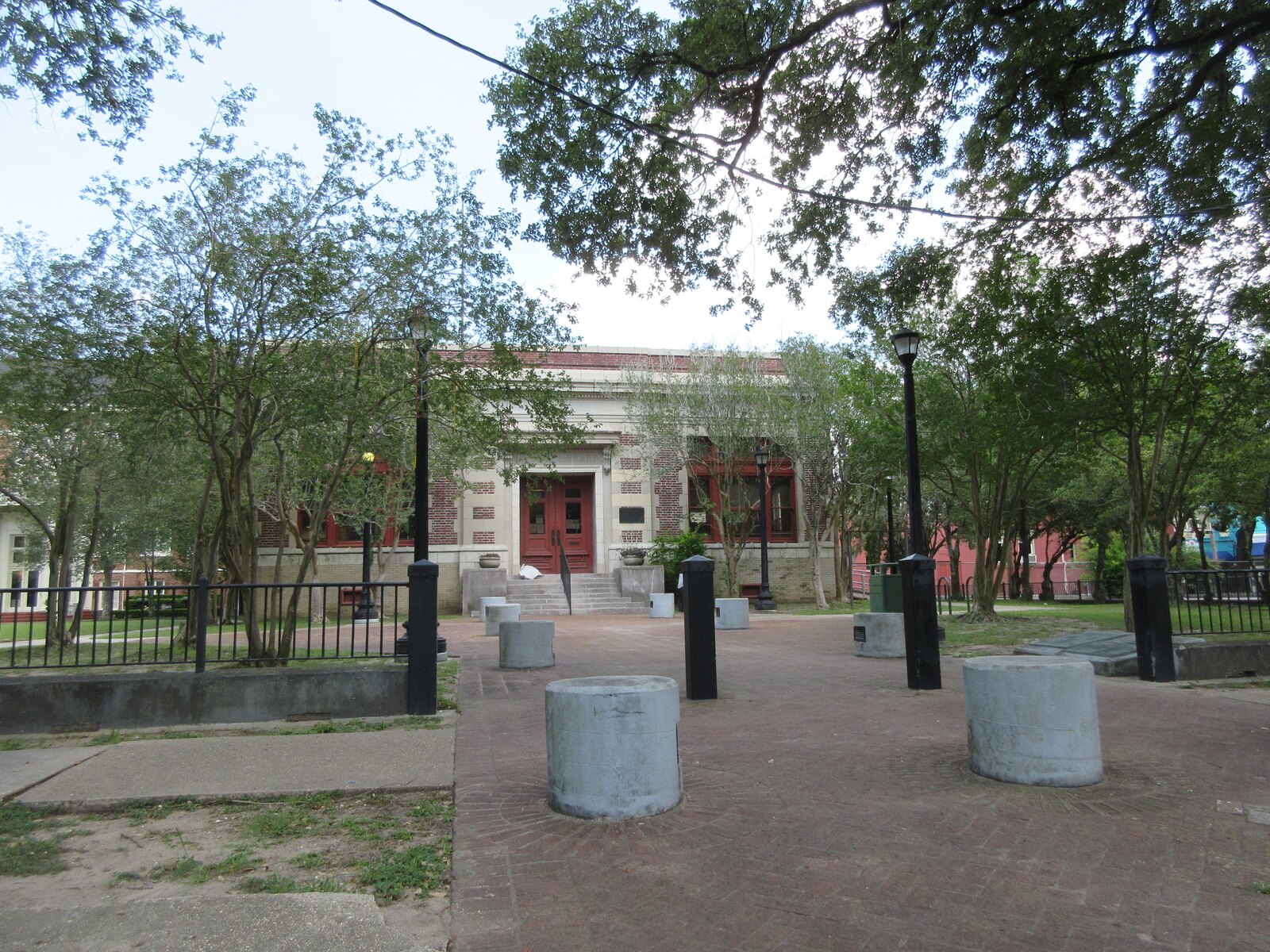
New Orleans’ Children’s Resource Center is open again after major repairs. The 118-year-old building now gives babies, toddlers and preschoolers more room for play, stories and time with their caregivers, while remaining open to all ages.
A 210,000-tonne-class bulk carrier is taking ammonia propulsion from testing into service.
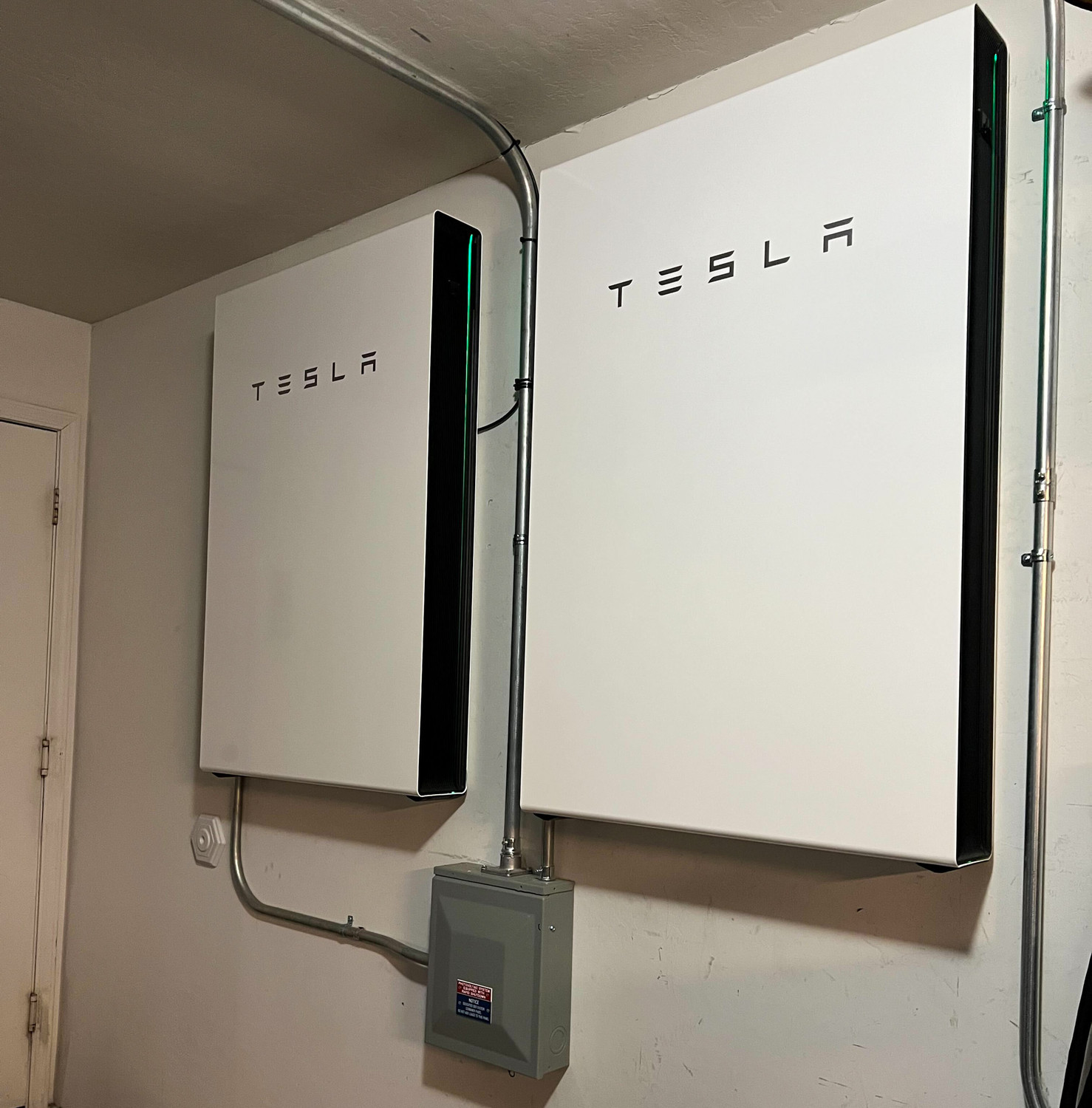
A September dispatch coordinated household batteries across California into one large grid resource.
TypeSafe AI has raised $870 million to expand its approach to decisions inside software. Its Jev model could help make everyday digital tools quicker and less expensive to run, while giving developers ways to send uncertain cases for review.
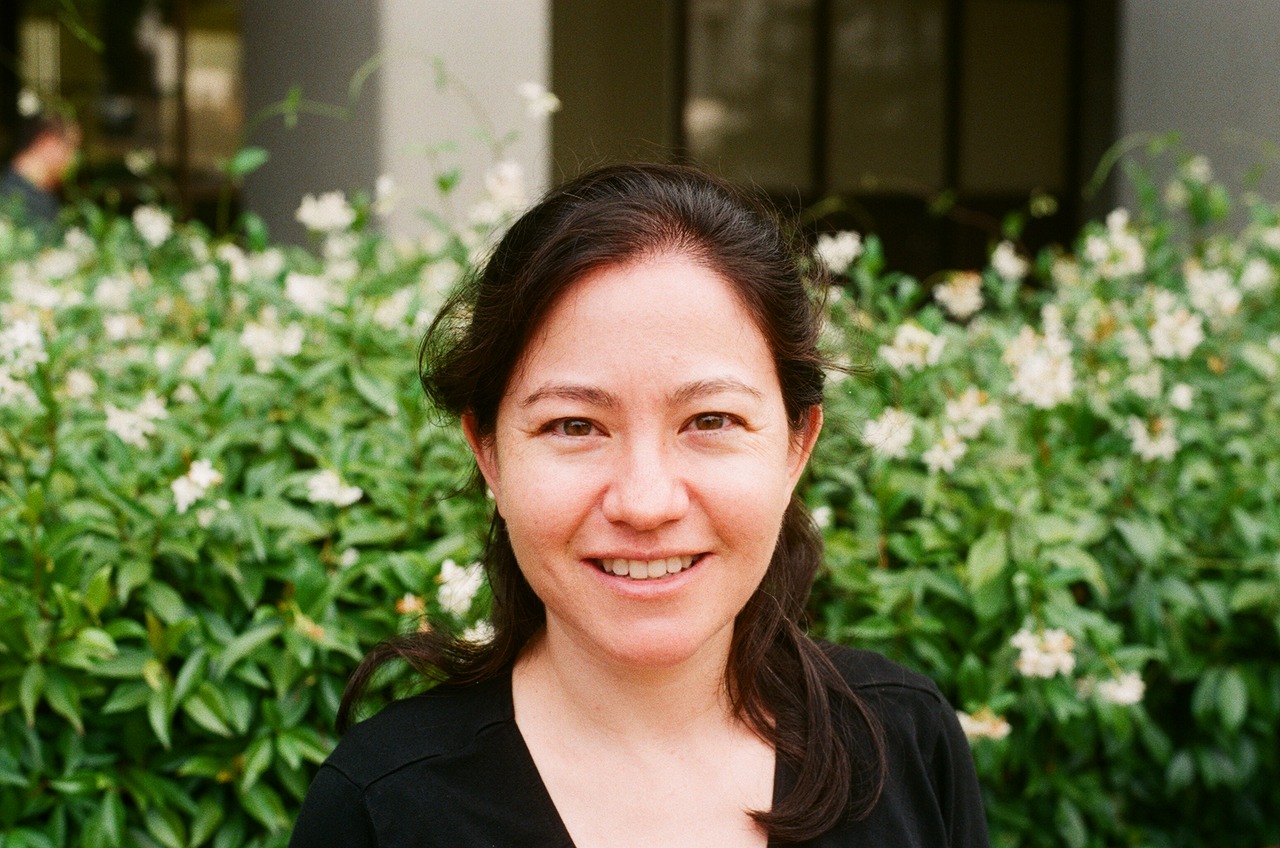
Two bedrock computing problems have faster theoretical solutions, thanks to an algorithm discovered by Anthropic’s Claude and developed by researchers Josh Alman and Virginia Vassilevska Williams. Their new preprint crosses speed barriers that helped define where faster algorithms might be possible. The decimal places look tiny. The mathematical consequences aren’t. Enormous overhead means your laptop’s victory lap will have to wait.
Researchers tracked and steered millimeter-scale magnetic robots inside a goat, tackling a navigation problem for future less-invasive medical devices. AI helped separate the robot’s faint signal from the powerful fields moving it. It’s an animal-study advance; human treatment is still unproved.