Mohd Mustafa Kamal has given children in Kargil an unusual way to get their hands on history: lessons inside an old wartime shelter. Alongside classroom parliaments and homemade games, it is part of his effort to make a supposedly dry subject something students can explore for themselves.
The teacher from Wakha in Ladakh was among 48 school educators selected for India’s National Teachers Awards in 2026. President Droupadi Murmu presented the awards in New Delhi on September 5. The recognition puts a national spotlight on classroom ideas he has been developing for years.
At Government Model Middle School in Pashkum, the surroundings supplied an unlikely teaching aid. In a May 2025 article for Teacher Plus, Kamal described taking students into cave-like shelters dug by villagers during the 1999 Kargil War. Children explored the spaces, tried wall painting and made clay replicas of seals, coins and toys. The wartime structures became a practical setting for imagining how people lived in much earlier periods.
Back in the classroom, ancient civilization came with a board and dice. In a case study published by NCERT, Kamal described developing educational games with Arushi Kapoor. Their Great Bath game, inspired by Ludo, asks children questions about the Harappan civilization as they move around the board. Town planning and drainage systems become useful things to remember when the next square depends on your answer.
Civics received a similar makeover. Kamal arranged seats to resemble a parliament, with students taking government and opposition roles while he presided. They prepared questions and responses on local or curriculum topics, then debated them. For once, an argument in class was part of the lesson plan.
Kamal told The Indian Express that he noticed greater participation and enjoyment. One student even described history to him as a practical subject. That reaction mattered to a teacher whose own schooling had been disrupted by conflict and displacement, and who wanted lessons to connect with the world children could see around them.
His NCERT case study covered 20 students in Classes 6–8 over the 2021–22 to 2023–24 academic years. It is a teacher’s account of his classroom, with encouraging observations. Establishing how much any one activity improves learning would take stronger comparative evidence.
The approach also makes room for screens. NDTV reported that India’s education ministry credited Kamal with using tools including Google Earth and School Bhuvan, contributing digital lessons through PM eVIDYA and training more than 1,000 teachers in context-based education. The wider ambition is to connect school subjects with familiar places and community life.
There is a lovely invitation in all of this: look closely, make something, ask a question. A lesson about the past can begin with what is right in front of you. Even an old shelter can have another chapter.
Sources
- The Indian Express: interview, published September 5, 2026; updated September 8, 2026
- Ministry of Education/PIB: official award list, August 21, 2026, entry 24
- President of India: awards conferred September 5, 2026
- Mohd Mustafa Kamal in Teacher Plus, May 2025, pages 28–31; author-posted copy
- Mohd Mustafa Kamal: NCERT classroom case study, July 2024 issue, pages 135–143
- NDTV: September 6, 2026 report reproducing the Education Ministry’s September 5 statement
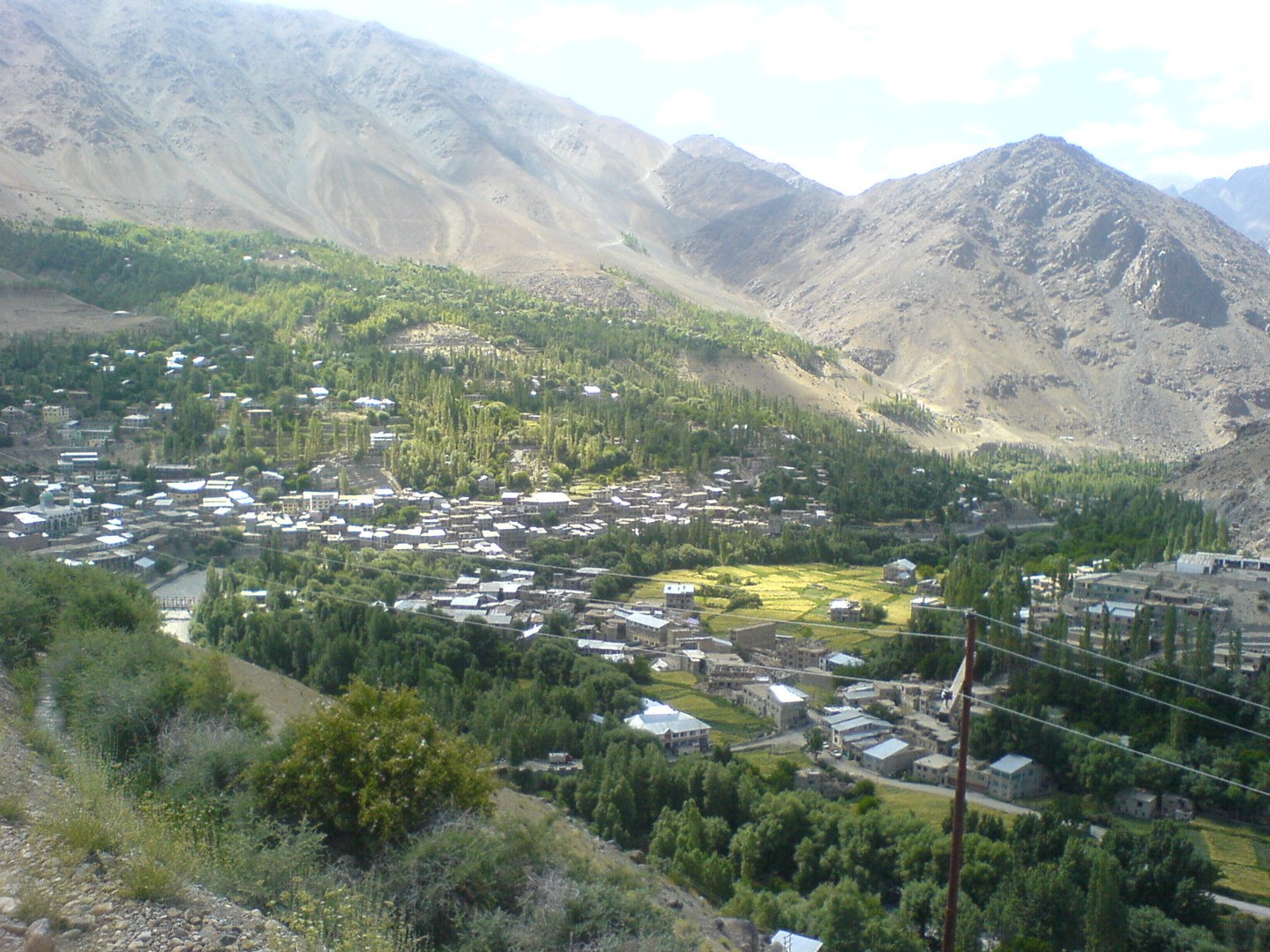
Photo: Mrigzes, “Kargil town on the banks of suru river 327.jpg” / Wikimedia Commons, Public domain, author dedication worldwide. Proportional resize and JPEG compression only; original retained.